Which country has the best traditional costumes?
From vibrant and colorful expressions of identity to elegantly crafted garments steeped in tradition, explore the fascinating array of cultural attire that reflects the rich tapestry of global heritage. Dive into this captivating contest and see which style stands out as the ultimate favorite!
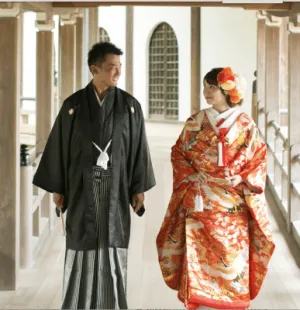 1Japan (Kimono)Traditional garment known for its intricate designs and craftsmanship
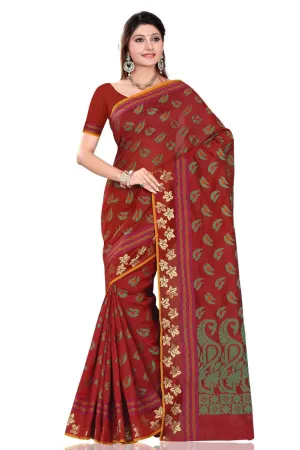 2India (Sari)Elegant draped garment, often colorful and richly adorned
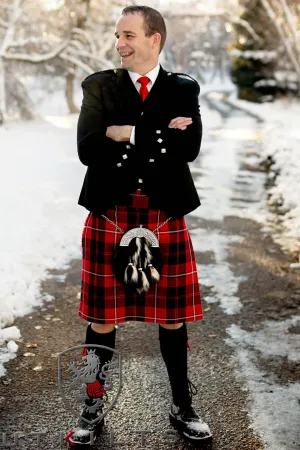 3Scotland (Kilt)Pleated skirt made of tartan fabric, symbol of Scottish heritage
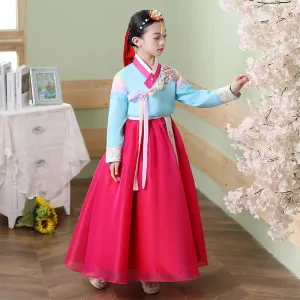 4Korea (Hanbok)Vibrant traditional attire with a distinctive silhouette and colors
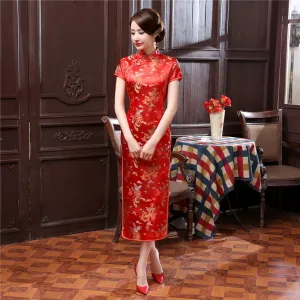 5China (Qipao/Cheongsam)Form-fitting dress with high collar, showcasing Chinese elegance
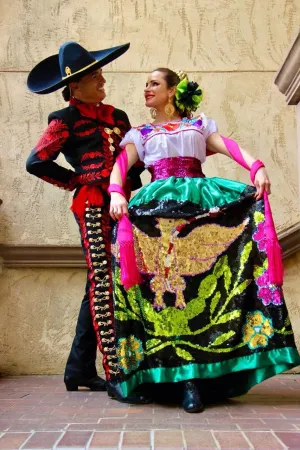 6Mexico (Charro/China Poblana)Traditional outfits reflecting Mexican culture and heritage
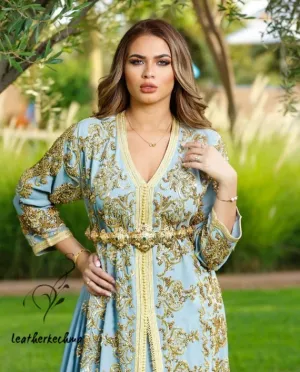 7Morocco (Kaftan)Loose-fitting robe, often richly embroidered and colorful
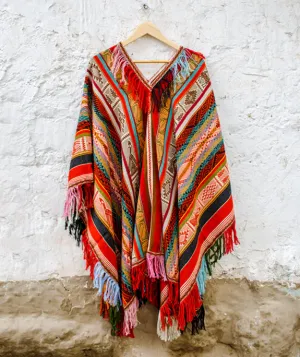 8Peru (Poncho)Woven garment, typically made from alpaca wool, practical and warm
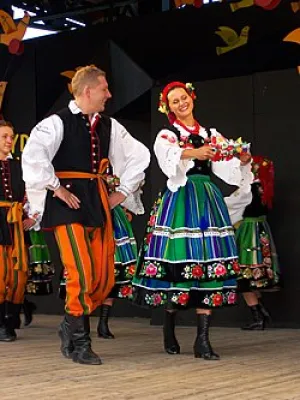 9Poland (Folk costumes)Colorful costumes reflecting regional traditions and craftsmanship
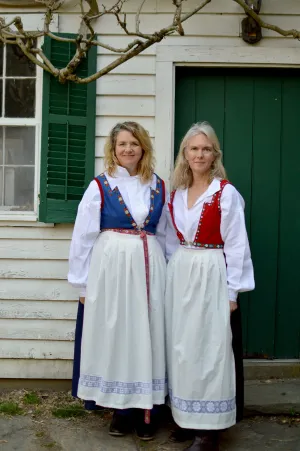 10Norway (Bunad)Traditional dress with regional variations, often worn at celebrations
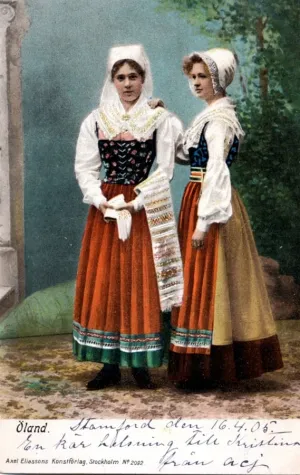 11Sweden (Folk costumes)Vibrant costumes representing Swedish cultural heritage and traditions
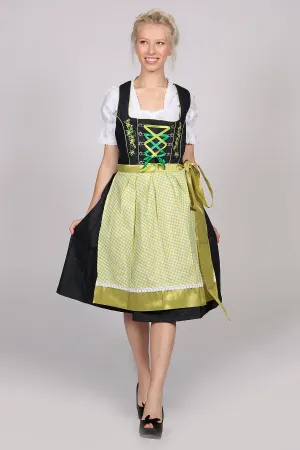 12Germany (Dirndl/Lederhosen)Traditional outfits worn during Oktoberfest, symbolizing Bavarian culture
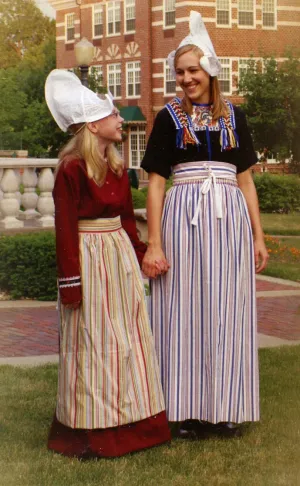 13Netherlands (Dutch costume)Distinctive attire featuring wooden shoes and traditional patterns
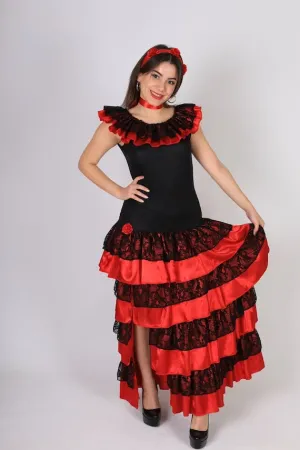 14Spain (Flamenco dress)Colorful dress with ruffles, associated with flamenco dance
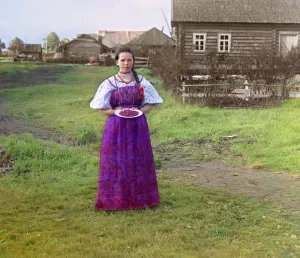 15Russia (Sarafan)Traditional dress, often worn over a blouse, symbolizing Russian culture
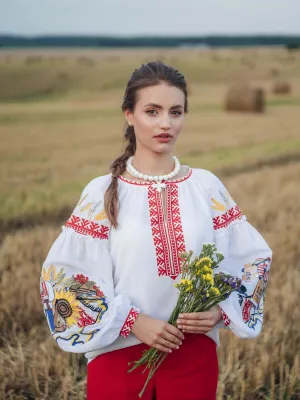 16Ukraine (Vyshyvanka)Embroidered shirt representing Ukrainian folk traditions and identity
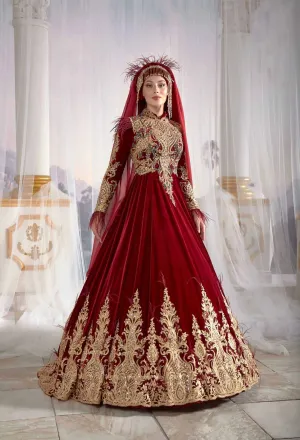 17Turkey (Ottoman dress)Historical attire reflecting the opulence of the Ottoman Empire
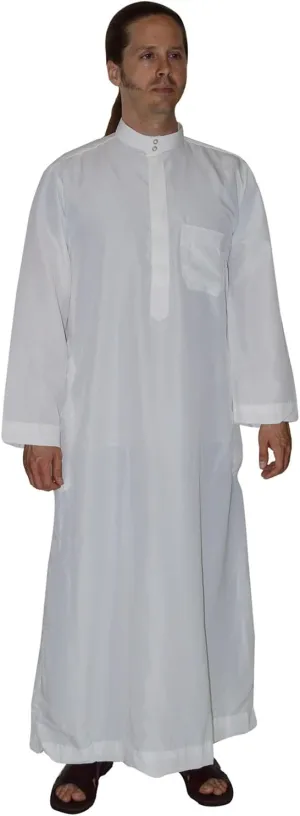 18Saudi Arabia (Thobe/Abaya)Traditional garments representing cultural modesty and elegance
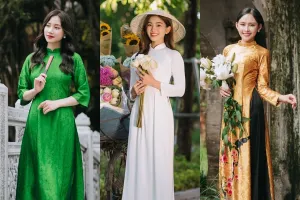 19Vietnam (Áo dài)Elegant long dress, often worn with trousers, symbolizing Vietnamese culture
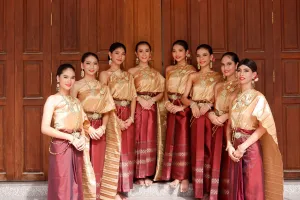 20Thailand (Traditional Thai)Colorful attire reflecting Thailand's rich cultural heritage
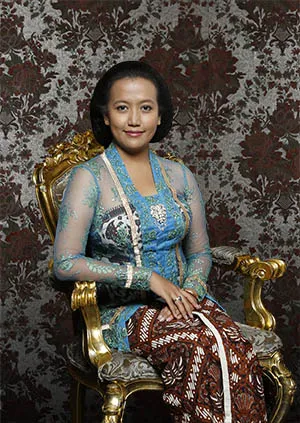 21Indonesia (Kebaya)Traditional blouse-dress combination, often worn for formal occasions
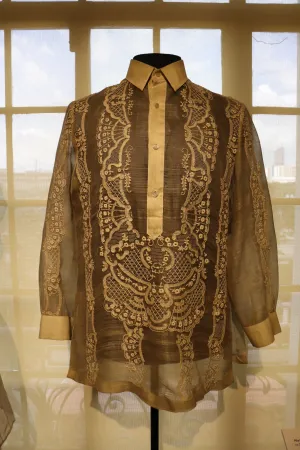 22Philippines (Barong Tagalog)Formal shirt worn untucked, symbolizing Filipino identity
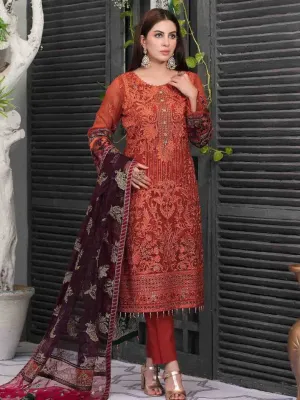 23Pakistan (Shalwar Kameez)Traditional outfit consisting of loose trousers and a tunic
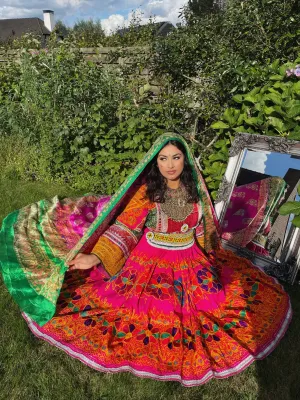 24Afghanistan (Afghan dress)Colorful garments reflecting Afghanistan's diverse cultural heritage
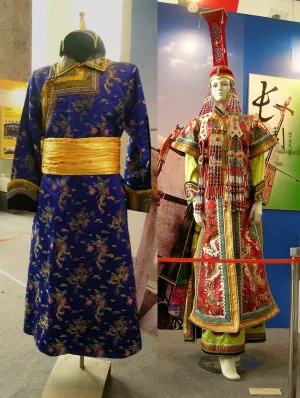 25Mongolia (Deel)Traditional robe worn by Mongolians, practical for nomadic lifestyle
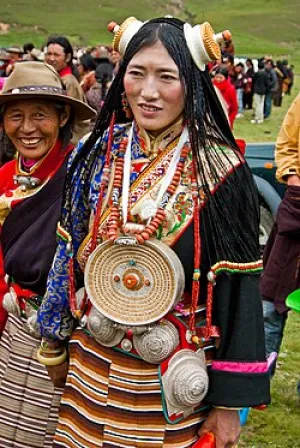 26Tibet (Chuba)Warm, long garment suited for the Tibetan climate
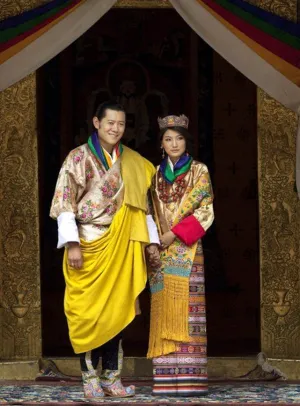 27Bhutan (Gho/Kira)Traditional attire reflecting Bhutanese culture and identity
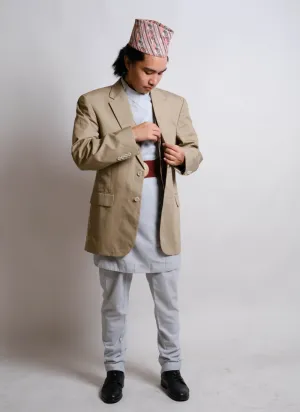 28Nepal (Daura-Suruwal)Traditional outfit with a long shirt and tapered trousers
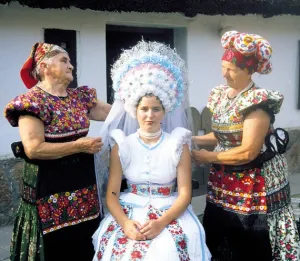 29Hungary (Folk costume)Colorful attire representing Hungarian folk traditions and customs
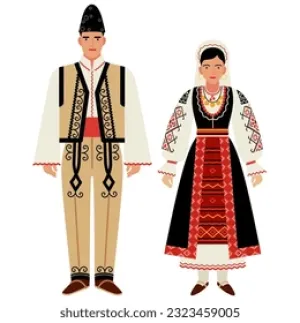 30Romania (Folk costume)Traditional garments showcasing Romania's cultural heritage
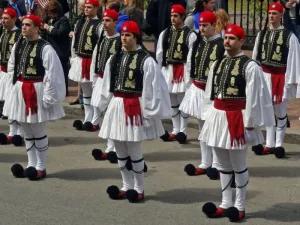 31Greece (Fustanella)Pleated skirt worn by men, symbolizing Greek national identity
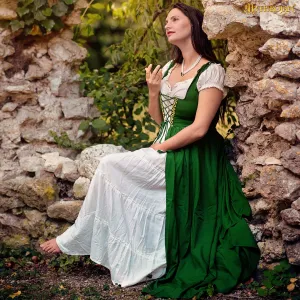 32Ireland (Traditional dress)Costumes reflecting Irish culture, often worn during festivals
Comments
Thirty-two countries enter as one garment each, and the kimono now comes out for weddings, graduations and Coming of Age Day: https://youpick.best/articles/japan-ranked-many-ways