
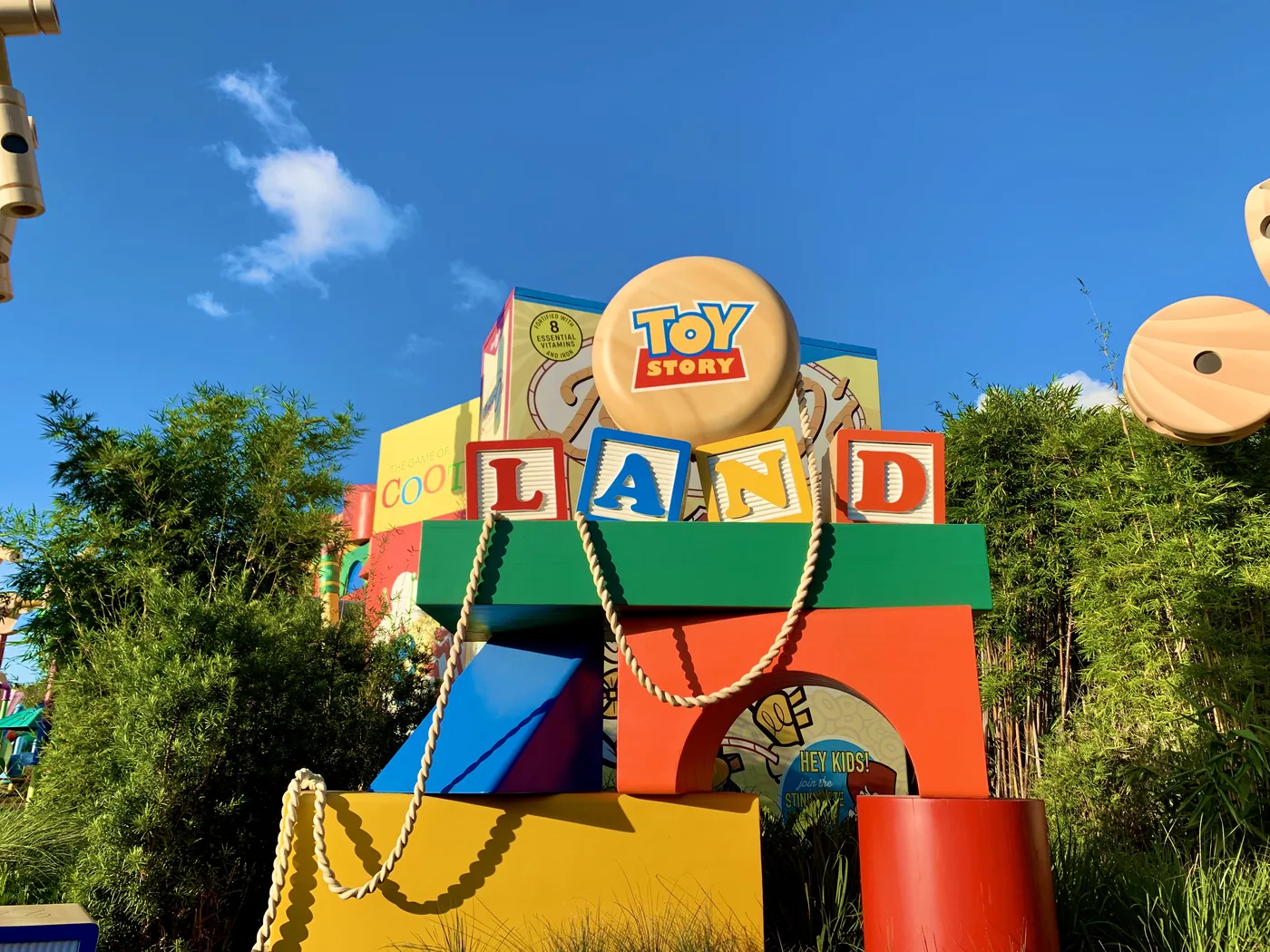
Toy Story 5 reached theatres on 19 June 2026 and has taken $1.128 billion worldwide, the fifth film in a series that began as an experiment nobody had tried.1 The 1995 original was the first feature film animated entirely by computer, made for $30 million by a studio that had never released one.2
Thirty-one years later the franchise sits inside almost every list cinema produces: studio rankings, character rankings, sequel rankings, song rankings, and the ones about money that went missing.
Toy Story is the rare franchise where the sequels are the argument, and fifteen lists cannot agree which of the four that followed the original earned its place.
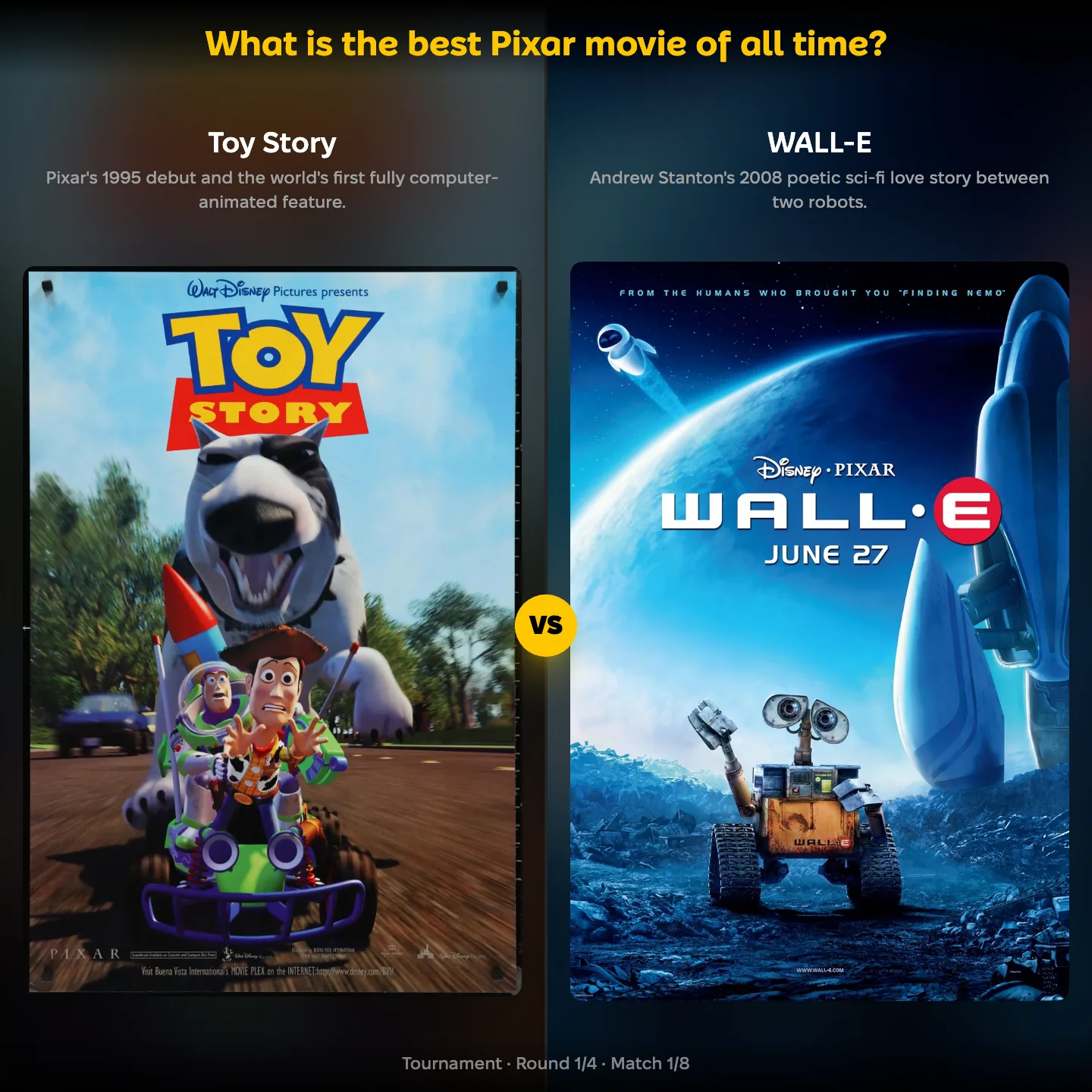
Toy Story vs WALL-E: the best Pixar film
Pixar has released more than twenty features, and the studio ranking is where the fight starts. Sixteen of them are on this list, three from one franchise.
The 1995 original has the strongest claim that is not about quality at all. It exists first: $30 million spent proving computers could carry ninety minutes of story, returning $375 million.3
WALL-E has the case that Toy Story cannot make. Andrew Stanton opened his 2008 film with roughly forty minutes of near-silent robot comedy on a dead planet, and the studio released it as a summer family movie anyway.
Behind those two sit Up, Ratatouille, Coco and Inside Out. Every one of them is somebody's answer, which is what makes the Pixar list the hardest one here.
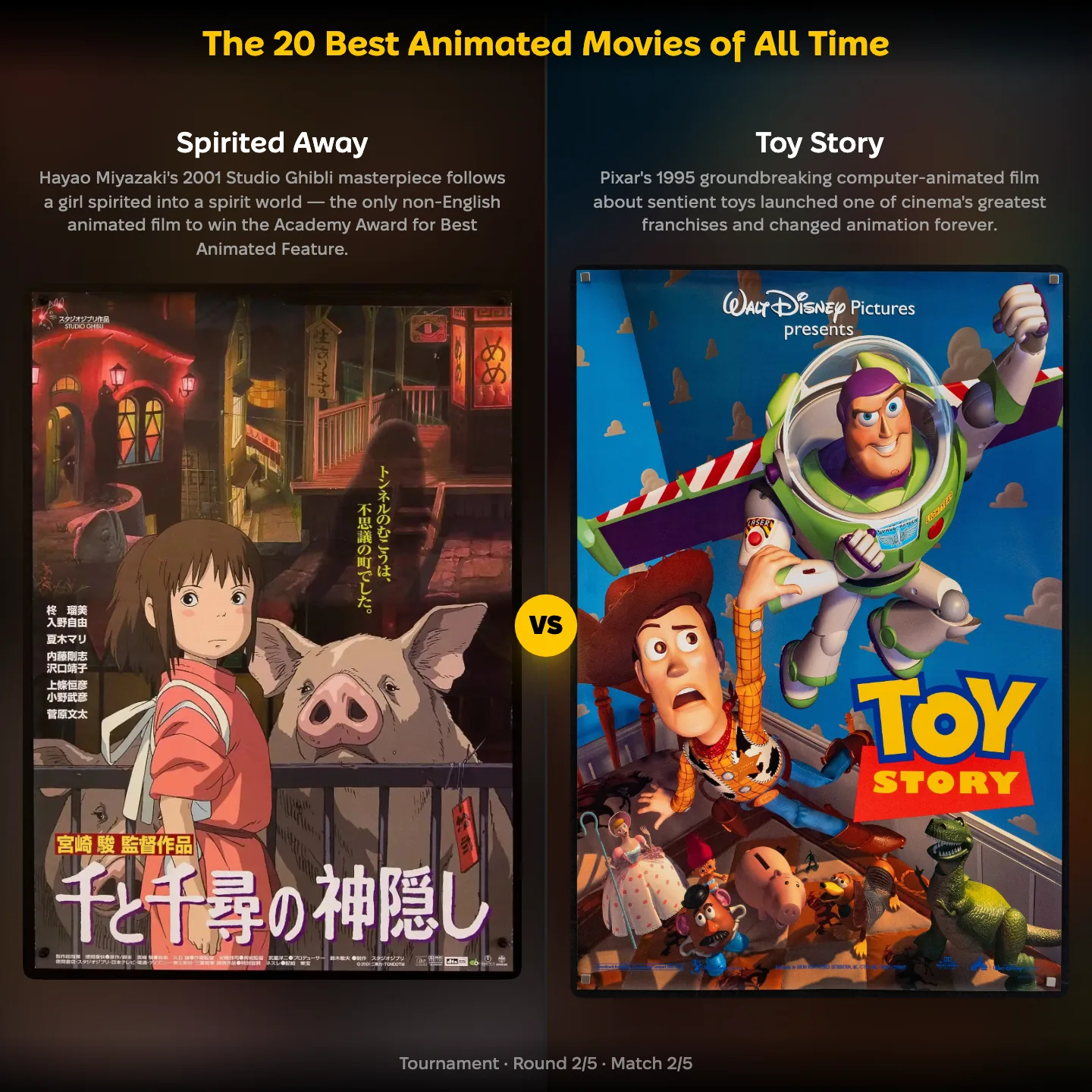
Toy Story vs Spirited Away: animation without the studio label
Drop the studio filter and the company changes completely: this list covers every animated film ever made. Hand-drawn classics, Ghibli, anime and the modern computer-animated era all land in the same twenty.
Toy Story's position here is historical. Everything made in its technique came after it, including most of the films it is being compared against.
Spirited Away is the counter-case that never loses. Hayao Miyazaki's 2001 film won an Oscar for animation and remains the reference point for what hand-drawn animation can do that computers cannot.
The Lion King, Grave of the Fireflies, Akira and Into the Spider-Verse are all here too. This is the list where Toy Story stops being the innovator and becomes one entry among twenty.
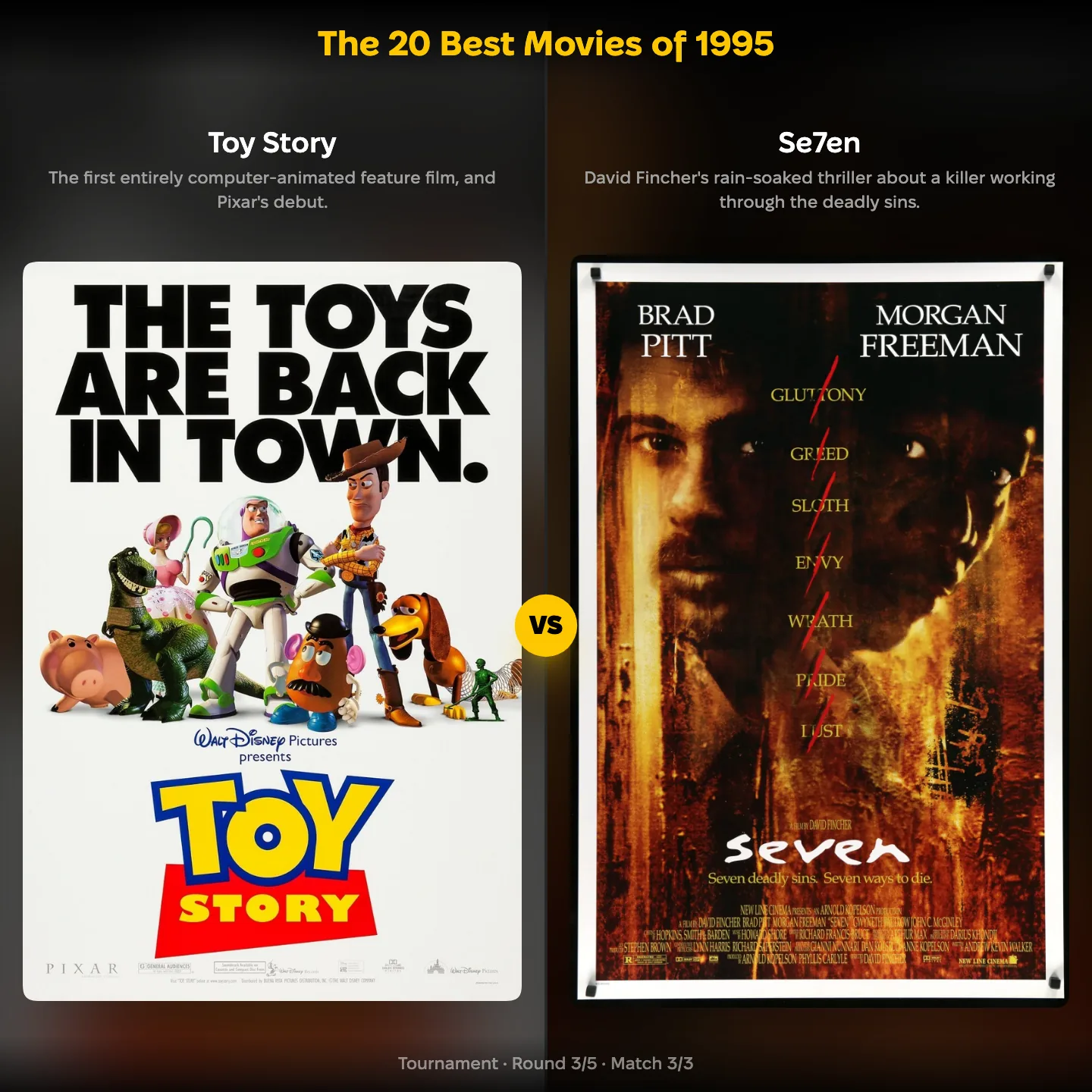
Toy Story vs Se7en: the class of 1995
Toy Story opened on 22 November 1995, into one of the strongest release years modern Hollywood has had.2 Se7en, Heat, Casino, The Usual Suspects, Braveheart, Apollo 13 and Ghost in the Shell all arrived in the same twelve months.
Against that company the film about toys is the outsider, and the outsider has the technical claim nobody else can touch.
The Academy noticed the writing rather than the technology: three nominations, for Original Screenplay, Original Score and Randy Newman's opening song. It won none of them, and John Lasseter collected a Special Achievement Award instead.
Braveheart took Best Picture that year. Toy Story went into the National Film Registry ten years later, which is a slower kind of verdict.
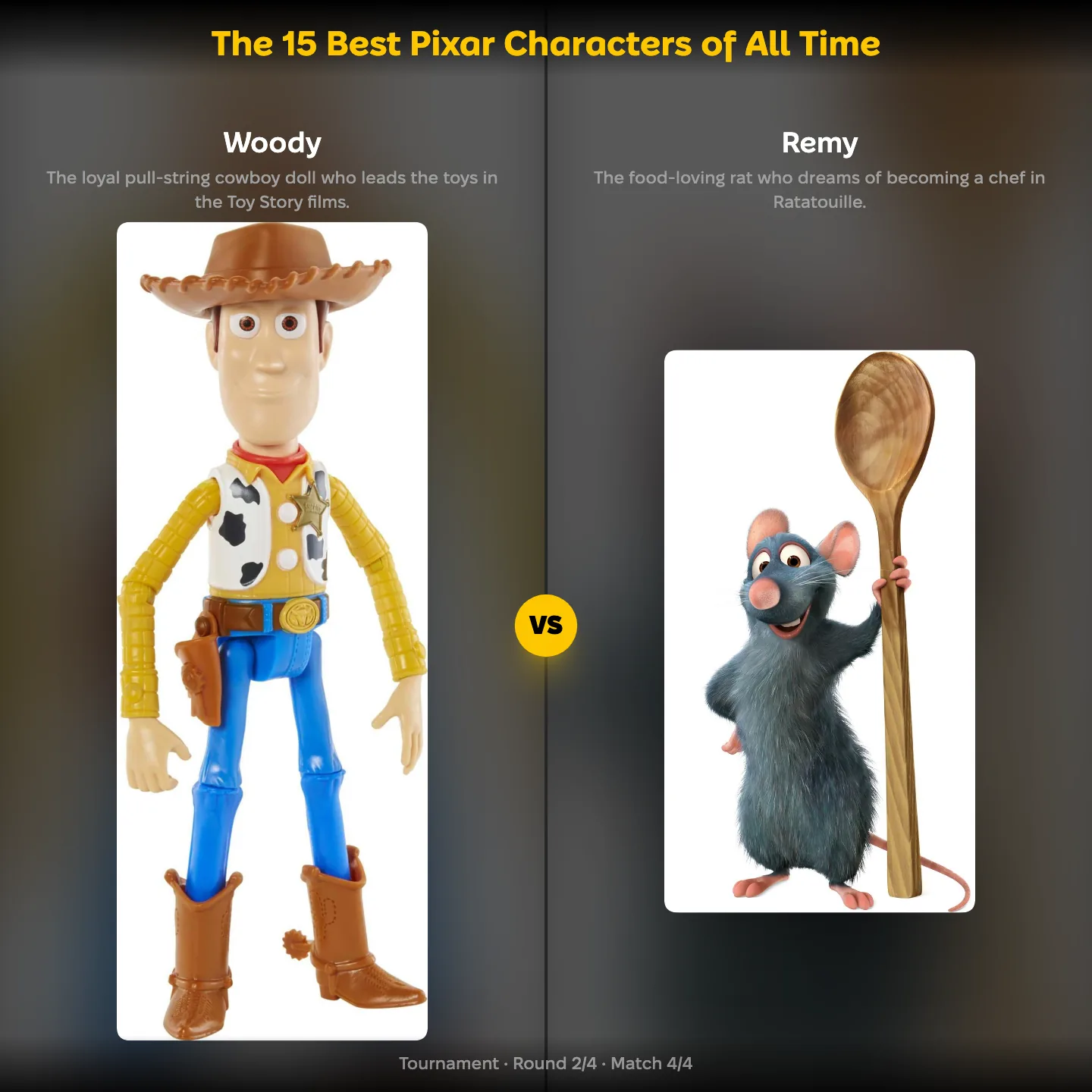
Woody vs Remy: Pixar's best character
Fifteen Pixar characters, and two of them come out of the same toy box. Woody and Buzz Lightyear are the studio's founding pair, and they are also the two it has drawn most often.
Woody is the harder character to like, which is the reason he holds up. He spends the first film jealous, scheming and, briefly, a liar.
Remy has the cleaner arc. Ratatouille's rat wants one thing, is physically wrong for it in every way, and gets it.
Sulley, Dory, Mr. Incredible, Joy and Carl Fredricksen sit behind them. Judged as pure design work rather than nostalgia, a pull-string cowboy doll from 1995 is competing against twenty more years of Pixar's animators learning their craft.
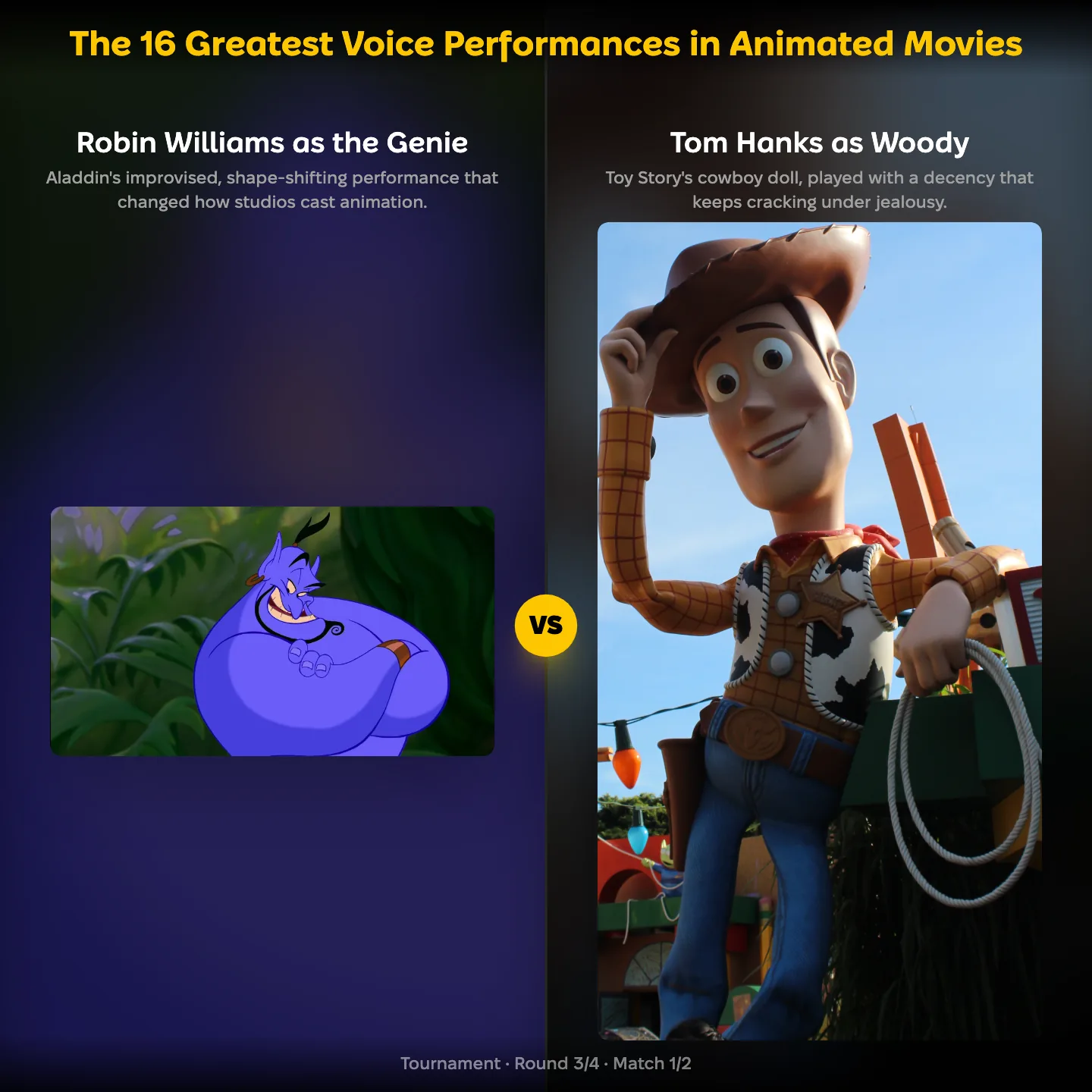
Tom Hanks vs Robin Williams: the voice that carries the film
Sixteen voice performances, and the two most cited changed how animation gets cast. Robin Williams recorded Aladdin's Genie in 1992 as improvisation; Tom Hanks recorded Woody three years later as a straight dramatic part.
Hanks plays Woody without a single vocal trick. The performance is a man talking, and the jealousy in the first film only works because nothing about the delivery signals cartoon.
Williams did the opposite and made it the more copied approach. Every studio that cast a famous comedian in an animated role for the next decade was following the Genie.
Mel Blanc, James Earl Jones, Ellen DeGeneres and Eddie Murphy round out the list. Only Hanks has voiced one character across five films and three decades.
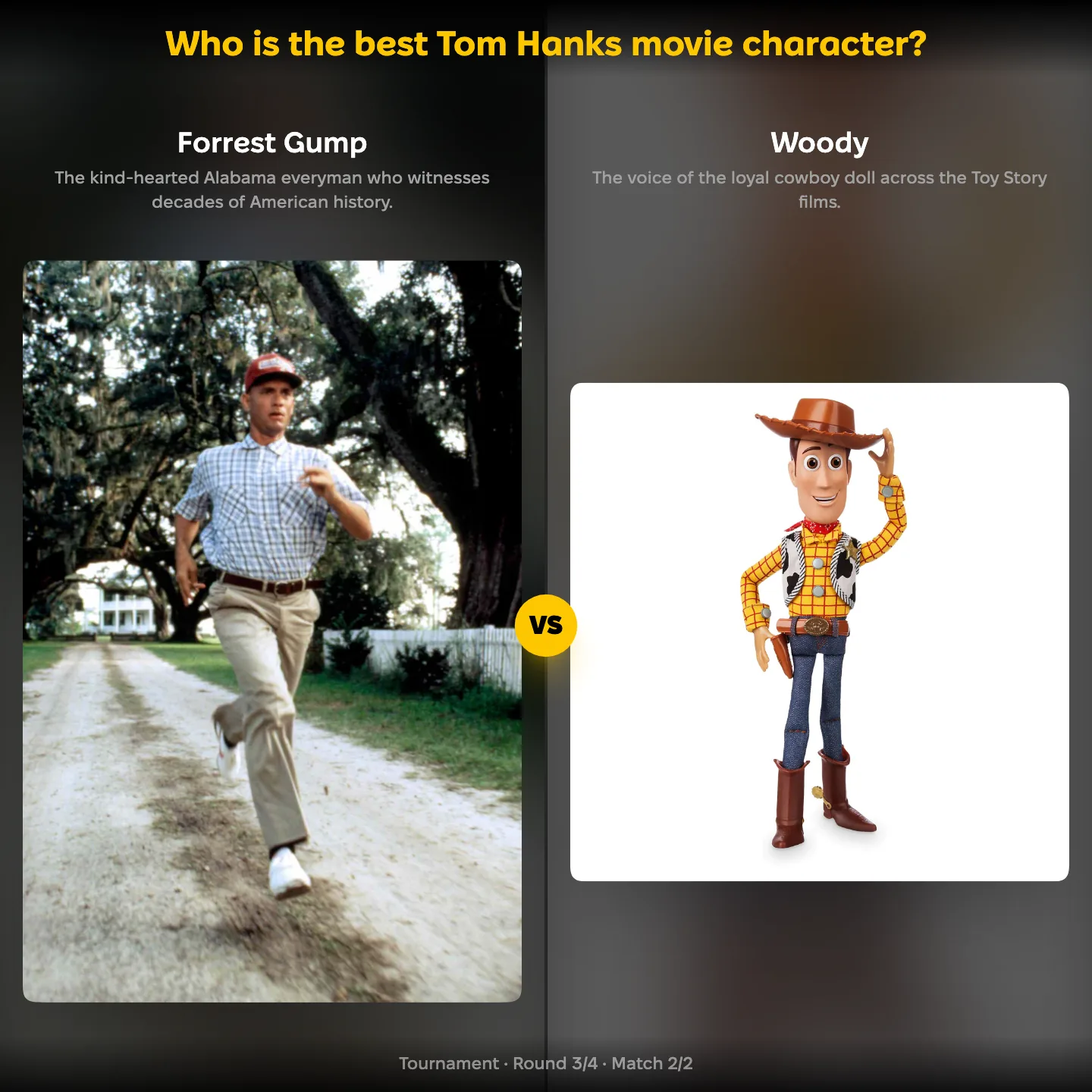
Forrest Gump vs Woody: the best Tom Hanks role
This is the list where a cartoon doll has to survive against the rest of a career. Forrest Gump, Chuck Noland, Captain Miller, Jim Lovell and Mr. Rogers are all here.
Woody is the only performance on it that nobody watched Hanks give. There is no face, no body, no costume, and the character has still outlasted most of the others in public memory.
The live-action roles have the awards. Hanks won consecutive Best Actor Oscars for Philadelphia and Forrest Gump, and neither of those films needed a sequel to stay in the conversation.
What Woody has is duration. Andy grows up, the toys change owners twice, and the same voice carries all of it across thirty-one years.
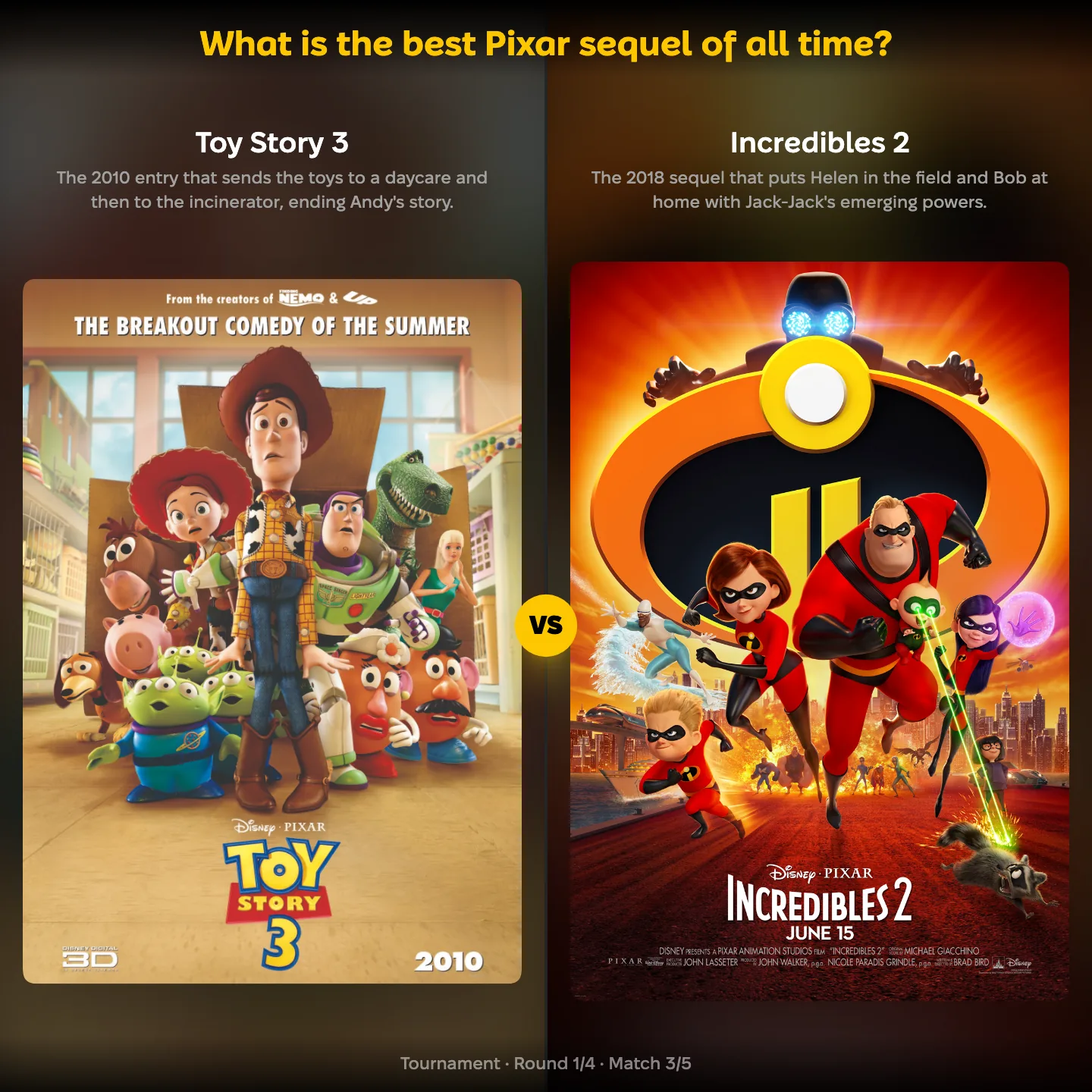
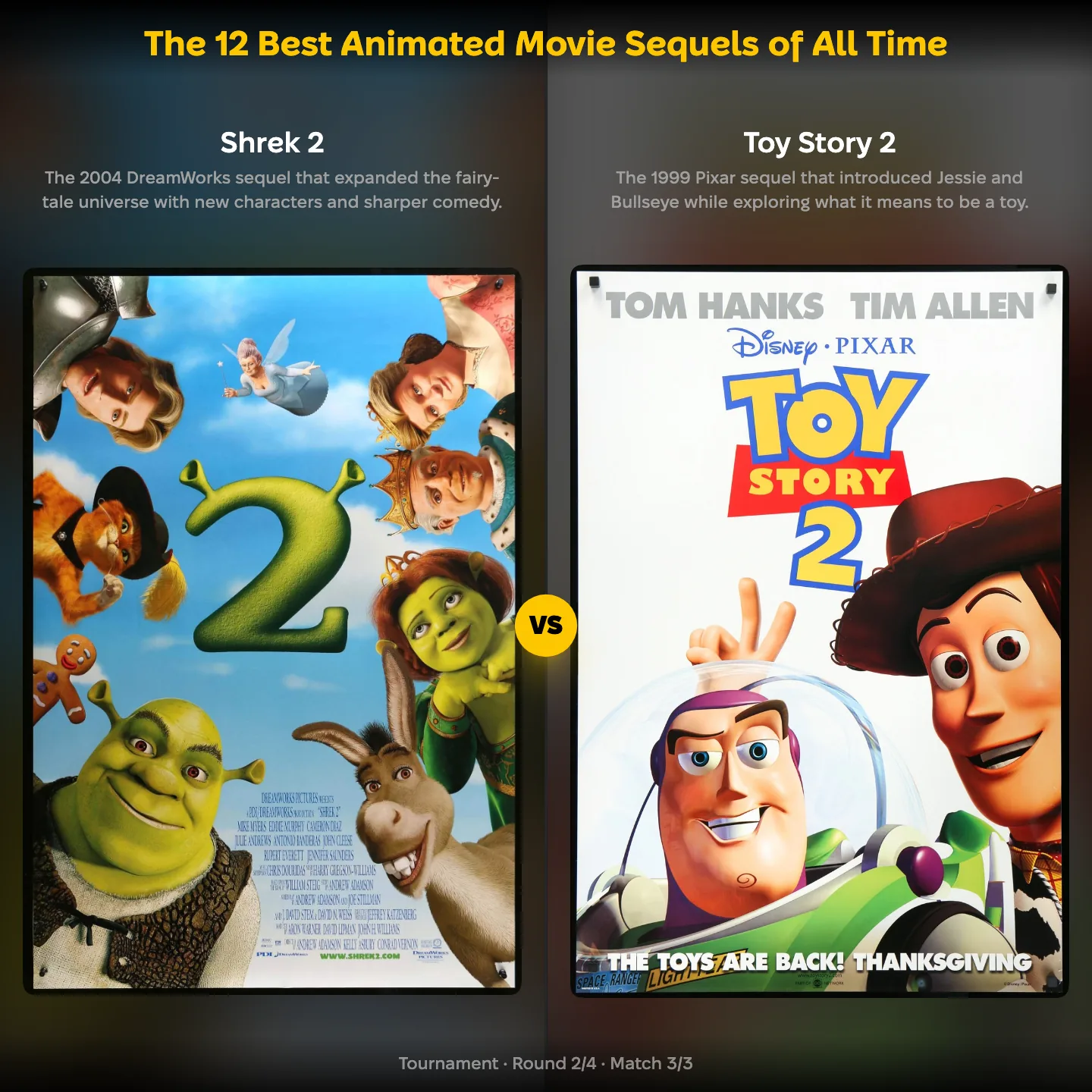
Toy Story 2 vs Incredibles 2: Pixar's best sequel
Ten Pixar sequels exist and four of them are Toy Story films, which tells you where the studio has spent its second chances.
Toy Story 2 was commissioned as a direct-to-video release. Disney upgraded it to a theatrical film in November 1997 after the story reels convinced executives it was too good for the shelf, and it took $511 million.4
Incredibles 2 waited fourteen years and opened bigger than any of them. Brad Bird picked the story up seconds after the first film ended, which is a structural trick none of the Toy Story sequels attempted.
Monsters University, Finding Dory and the two Cars sequels make up the rest. Four entries from one franchise is either a sign of unusual quality control or of a studio going back to the same box, and this list is where people decide which.
The near-loss of Toy Story 2 belongs in that judgement. In 1998 an animator ran a deletion command on the film's asset folder and wiped roughly 90% of two years of work; it survived because technical director Galyn Susman had a copy at home after having a baby.4
Shrek 2, Toy Story 3 and the sequels that beat the original
Animation's best sequels are a short list, and two Toy Story films are on it. The competition is Shrek 2, Despicable Me 2, Finding Dory and the second Kung Fu Panda.
Toy Story 3 holds the record here. In December 2010 it became the first animated film to pass $1 billion worldwide, six months after release.5
It also went further at the Academy Awards than any animated sequel had: wins for Best Animated Feature and Best Original Song, and a Best Picture nomination, only the third an animated film had received.6
Shrek 2's defenders point at the joke rate and the fact that it doubled its predecessor's box office. That is the honest counter-case: one of these films makes people cry, the other one they quote.
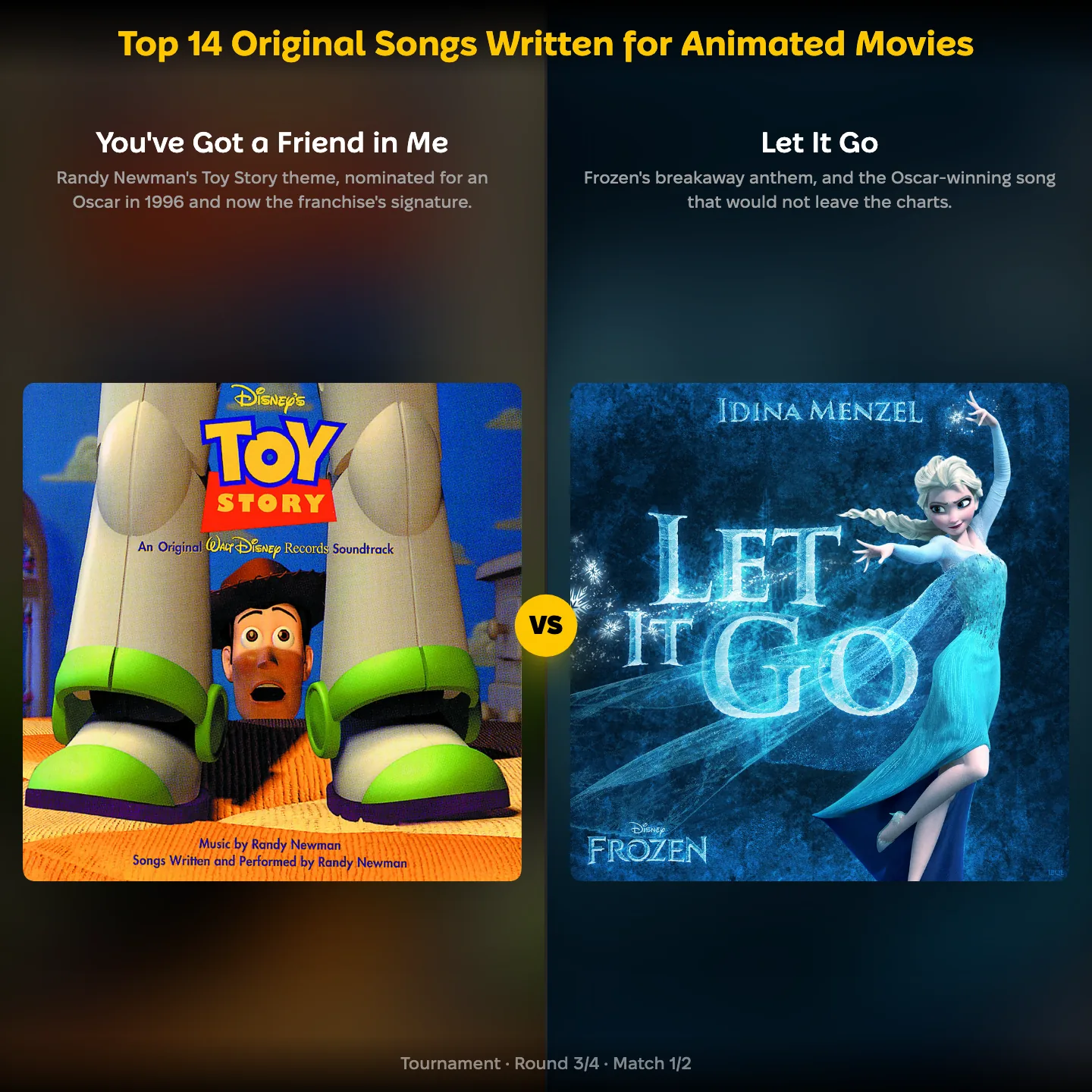
You've Got a Friend in Me vs Let It Go
Fourteen songs written for animated films, and Randy Newman wrote two of them. "You've Got a Friend in Me" opens the 1995 film and took an Oscar nomination it did not convert.2
Newman's other entry does the emotional work. "When She Loved Me", sung by Sarah McLachlan over Jessie's abandonment in Toy Story 2, won the Grammy for Best Song Written for Visual Media.4
"Let It Go" is on a different commercial plane. Frozen's anthem won the Academy Award, sold in the millions and became the song parents heard for a decade.
Disney's back catalogue fills the rest: "Circle of Life", "Under the Sea", "Remember Me", "We Don't Talk About Bruno". Newman's contribution is the least showy on the list and the one that sounds least like a musical number.
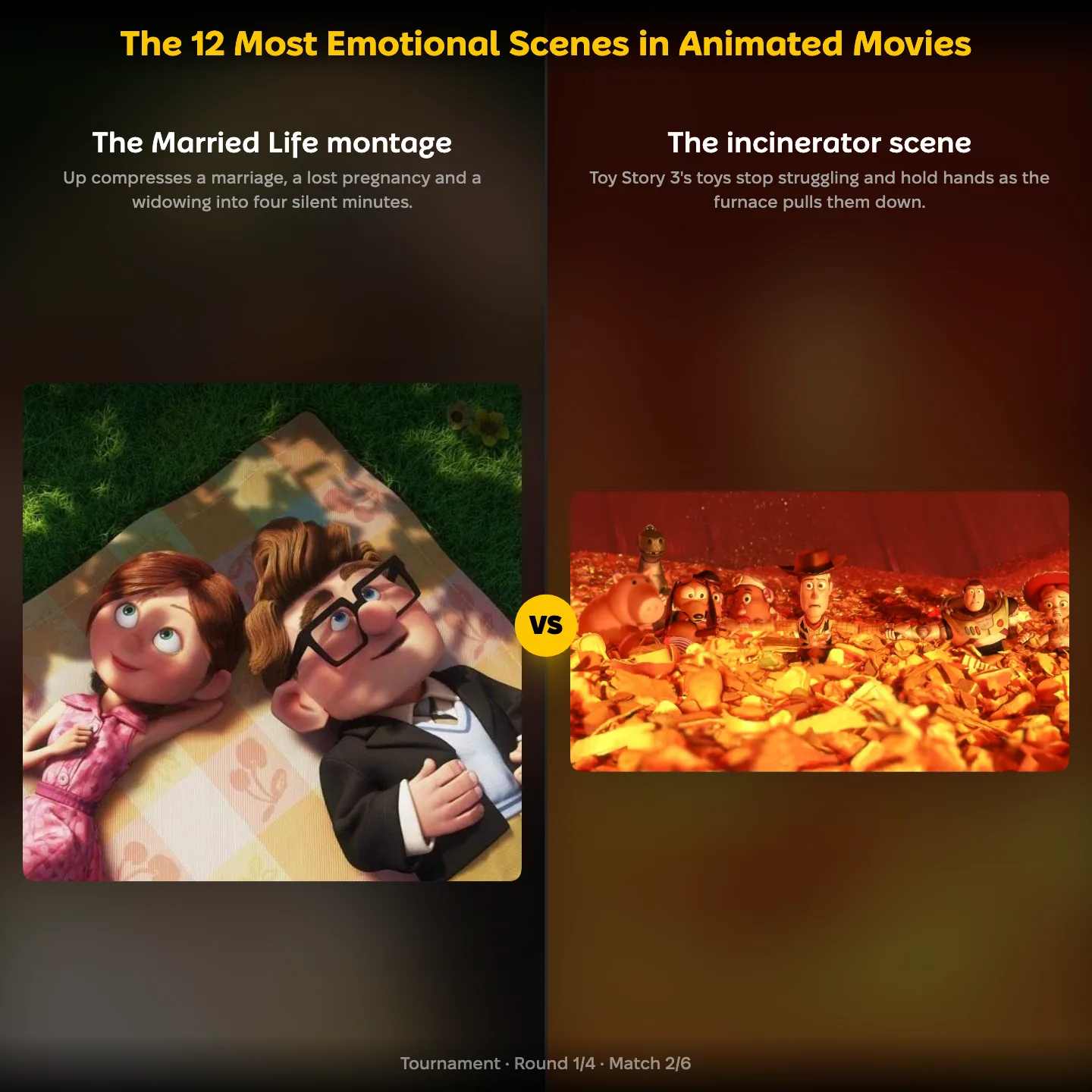
The incinerator against the Up montage
Twelve scenes, and the Toy Story entry is the one people summarise instead of naming. In Toy Story 3 the toys reach the end of a garbage chute, stop struggling, and take each other's hands as the furnace pulls them down.
It works because the film had already spent two hours refusing to sentimentalise them. Nothing is said in the scene.
Up's opening montage is the other kind of devastation: four silent minutes covering a marriage, a lost pregnancy and a widowing, all before the plot starts.
Mufasa's death, Bing Bong's goodbye, Jessie's song and the ending of Grave of the Fireflies are on the same list. Toy Story has three separate entries in that company, which is a strange achievement for a franchise sold on toys.
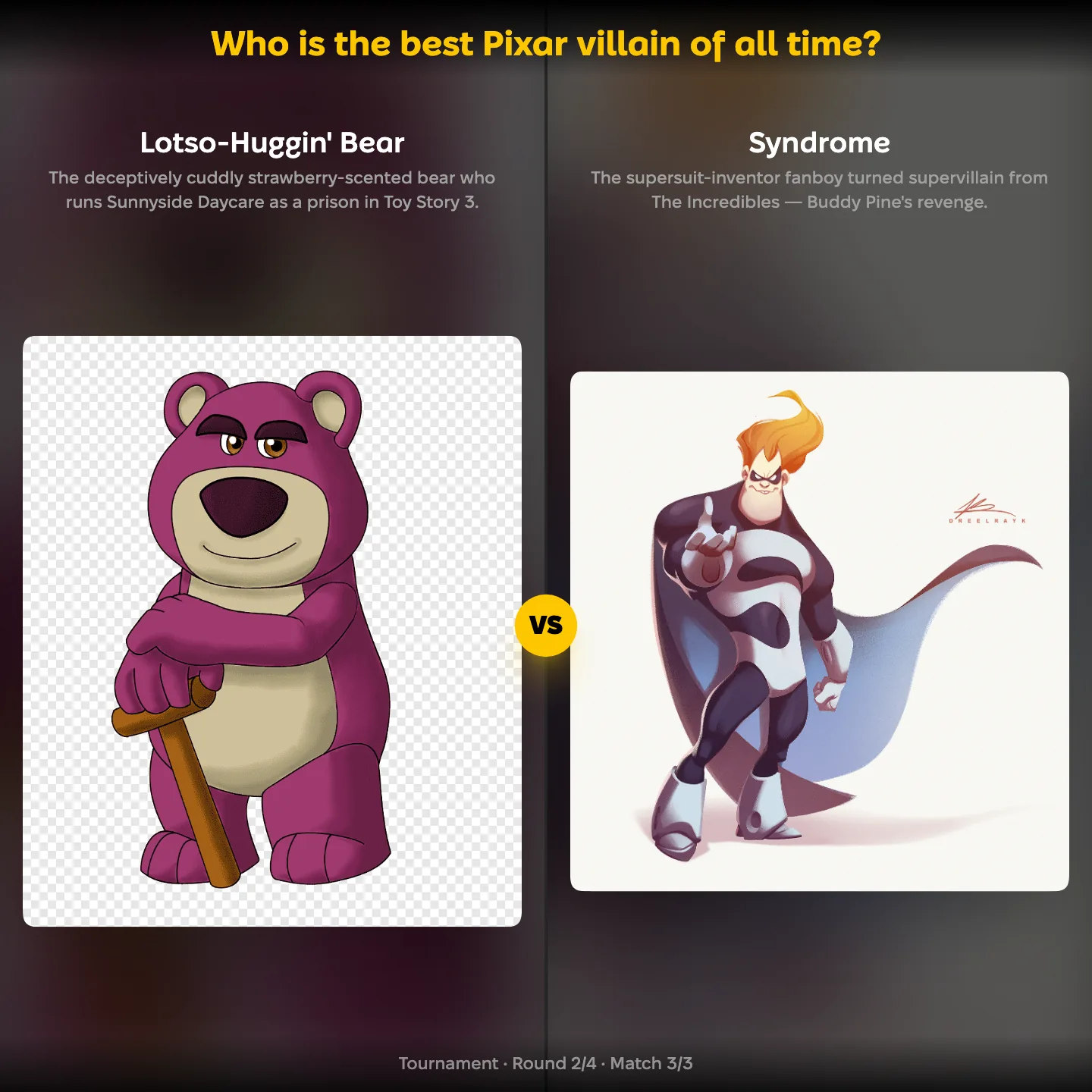
Lotso vs Syndrome: Pixar's best villain
Eleven Pixar villains, and two of them come from Toy Story films. Lotso-Huggin' Bear runs Sunnyside Daycare as a prison, and Stinky Pete spends Toy Story 2 arguing that a museum shelf beats being played with.
Lotso's motive is the franchise's own theme turned poisonous. He was replaced by his owner, and decided no toy deserves better.
Syndrome from The Incredibles has the stronger design and a genuinely nasty plan. He is also a fan turned enemy, which lands differently now than it did in 2004.
Two entries out of eleven is a solid return for a series whose antagonists are usually a moving van or a birthday party.
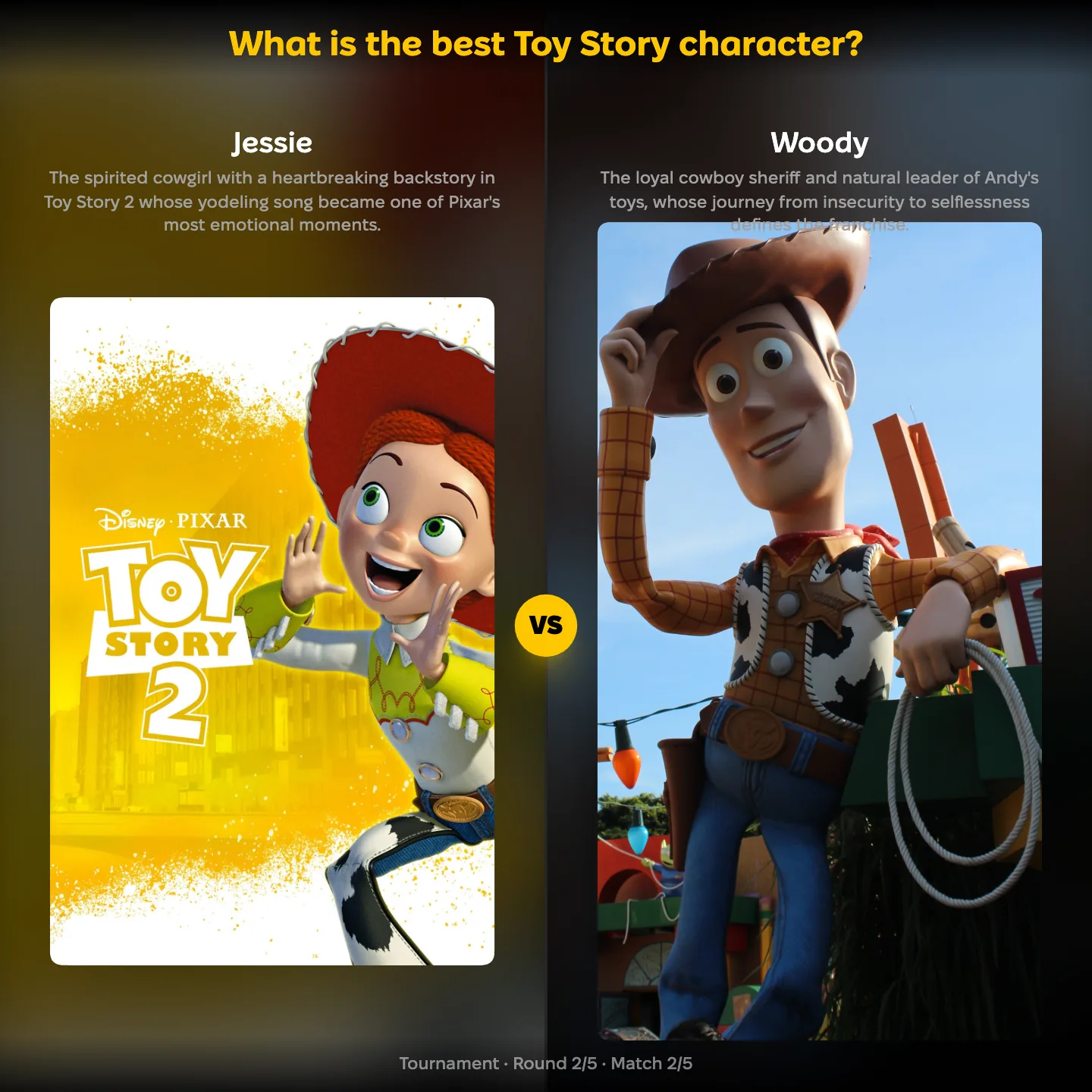
Woody vs Jessie: the best toy in the box
Eighteen characters from inside the franchise, which is where the arguing gets specific. Woody, Buzz, Jessie, Rex, Hamm, Bo Peep, Slinky Dog, Forky and the Little Green Men are all in.
Jessie arrived in Toy Story 2 with the darkest backstory the series has written and a song to go with it. She is also the character the sequels have used most consistently since.
Buzz has the better joke and the better first act. A toy who does not know he is a toy is the premise of the original film, and Tim Allen plays it entirely straight.
Forky, from Toy Story 4, is the newest test of that idea: a spork with googly eyes who wants to be thrown away. Twenty-four years apart, both characters are asking the same question about what makes a toy alive.
Five Toy Story films, one bracket
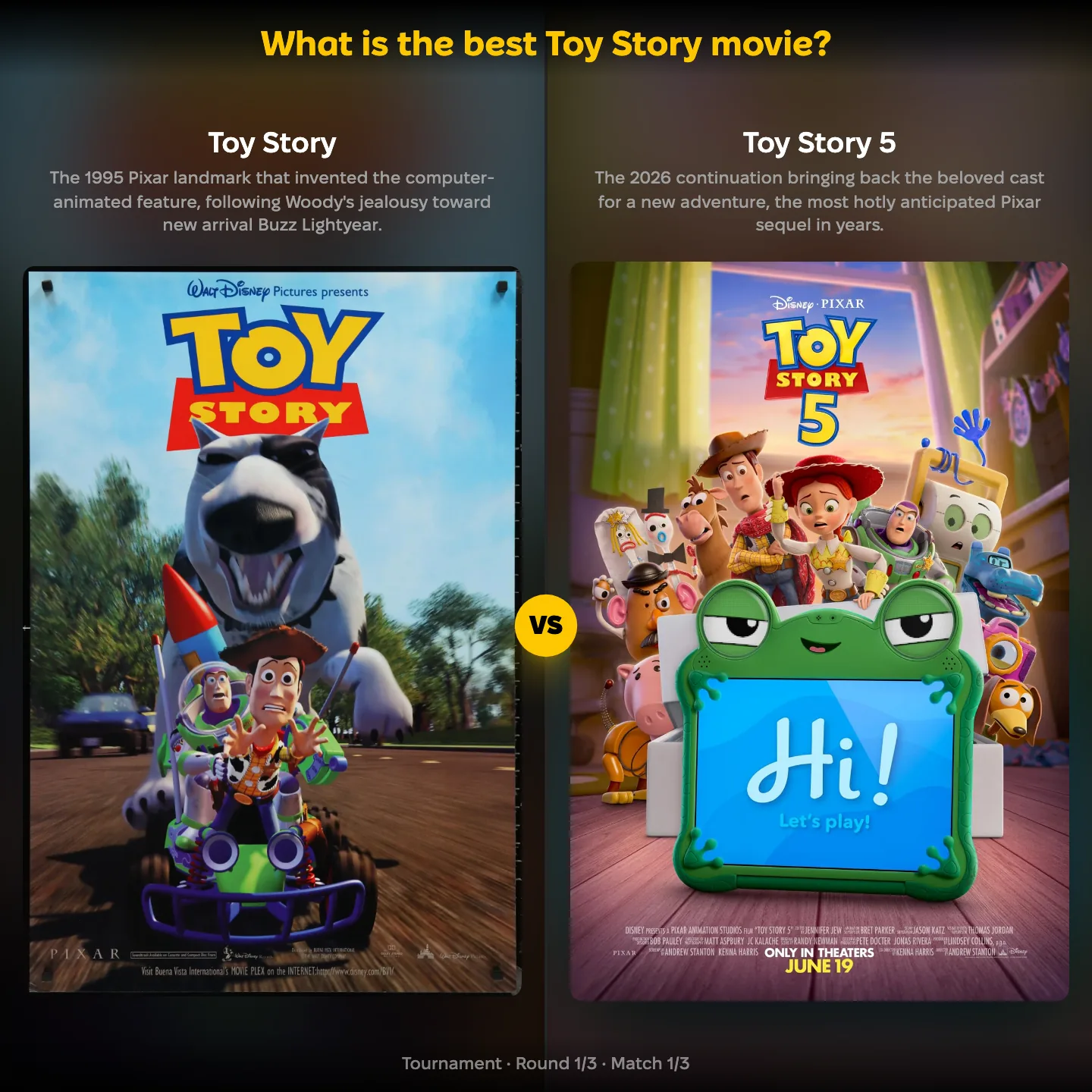
Here the franchise is the whole question. Five films, released across thirty-one years, with the newest one two months old.
The first two were made by a small studio with something to prove, on budgets of $30 million and $90 million. The last three cost $200 million, $200 million and $250 million, and all three cleared a billion dollars.
Toy Story 3 is the one built as an ending, and for nine years it was one. Toy Story 4 then gave Woody a different ending, which is the decision that split the audience.
Toy Story 5, directed by Andrew Stanton, opened to $310.2 million worldwide, a franchise record.1 Whether it needed to exist is the conversation this ranking exists to have.
Lightyear: the Toy Story film that lost money
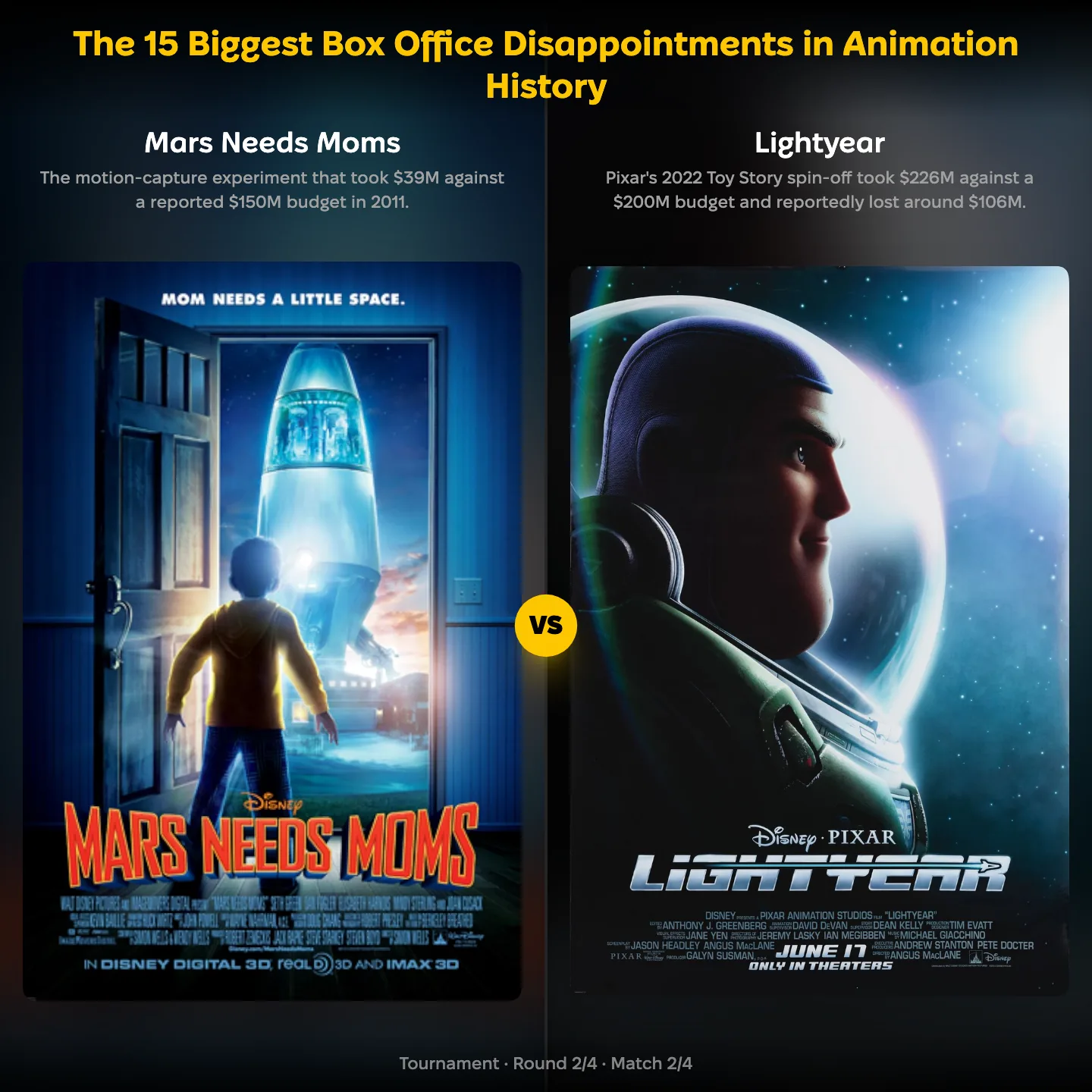
Fifteen animated films that failed commercially, and one of them carries the franchise's name. Lightyear, released in June 2022, took $226 million against a $200 million budget.3
The premise was the problem. Lightyear was pitched as the in-universe film that made Andy want a Buzz Lightyear toy, which is a concept requiring a paragraph of explanation before the story starts.
Mars Needs Moms is the benchmark for this kind of failure. Disney's 2011 motion-capture experiment took $39 million against a reported $150 million, and the studio closed the production house behind it.
Strange World, Treasure Planet, Titan A.E. and The Good Dinosaur sit on the same list.
For a series with three billion-dollar films, owning a genuine flop is the most interesting thing on its record. It also marks the boundary of the brand: the toys work, and the character the toys are based on did not.
Toy Story, Pirates and the franchises that kept going
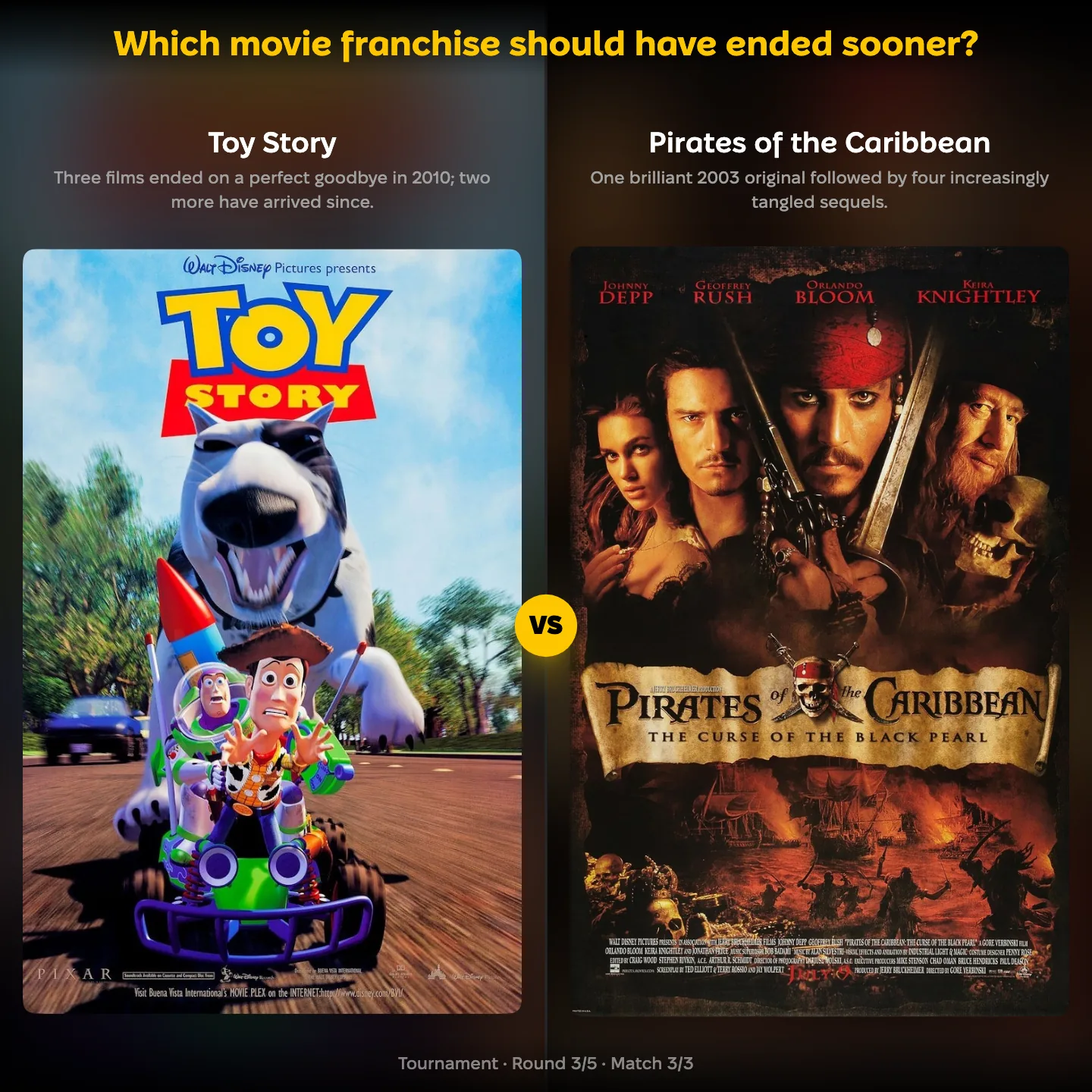
The last list is the unflattering one, and Toy Story belongs on it by its own logic. Seventeen franchises, all of them once loved, all of them accused of running past their ending.
The case against Toy Story is specific. The 2010 film closed with Andy handing his toys to a child and driving away, an ending built to be final, and two more films have arrived since.
The obvious comparison is Pirates of the Caribbean. One sharp 2003 original, four sequels of increasing complexity, and a fifth still discussed.
Star Wars, The Terminator, Shrek, Alien, Die Hard and The Hangover fill out the field. Every one of them faces the same charge, and only a few had an ending as clean as the one Toy Story already used.
A franchise that qualifies for both ends of the shelf
Fifteen lists put the same five films in fifteen different categories: technical landmark, animation classic, best sequel ever made, the saddest two minutes in a children's film, and the series that should have stopped. All five statements are defensible, and the one about stopping is defensible because of how good the ending it already had was.
Each of these lists gets sorted by head-to-head picks, which is how a film can hold up under one question and struggle under the next without either result looking odd.
If you have a franchise that overstayed, or a sequel nobody credits, make it a ranking and see who disagrees.
More rankings, more angles
- Studio Ghibli vs Disney, Ranked Side by Side — hand-drawn against the house that Walt built
- The Simpsons, Ranked Many Ways — 35 seasons and the question of when it peaked
- What is pairwise comparison? — why two options at a time beats a top-ten list
Sources
- Wikipedia — Toy Story 5: release date, director, budget, opening weekend and worldwide gross: en.wikipedia.org (checked 2026-08-24)
- Wikipedia — Toy Story (1995): first entirely computer-animated feature, release date, Academy Award nominations, John Lasseter's Special Achievement Award and the National Film Registry selection: en.wikipedia.org (checked 2026-08-24)
- The Numbers — Toy Story franchise box office: production budgets and worldwide grosses for all five films and Lightyear: the-numbers.com (checked 2026-08-24)
- Wikipedia — Toy Story 2: the direct-to-video origin, the theatrical upgrade in November 1997, and the Grammy for "When She Loved Me": en.wikipedia.org (checked 2026-08-24)
- Guinness World Records — first animated film to gross $1 billion, December 2010: guinnessworldrecords.com (checked 2026-08-24)
- Wikipedia — Toy Story 3: Academy Award wins for Best Animated Feature and Best Original Song, and the Best Picture nomination: en.wikipedia.org (checked 2026-08-24)