
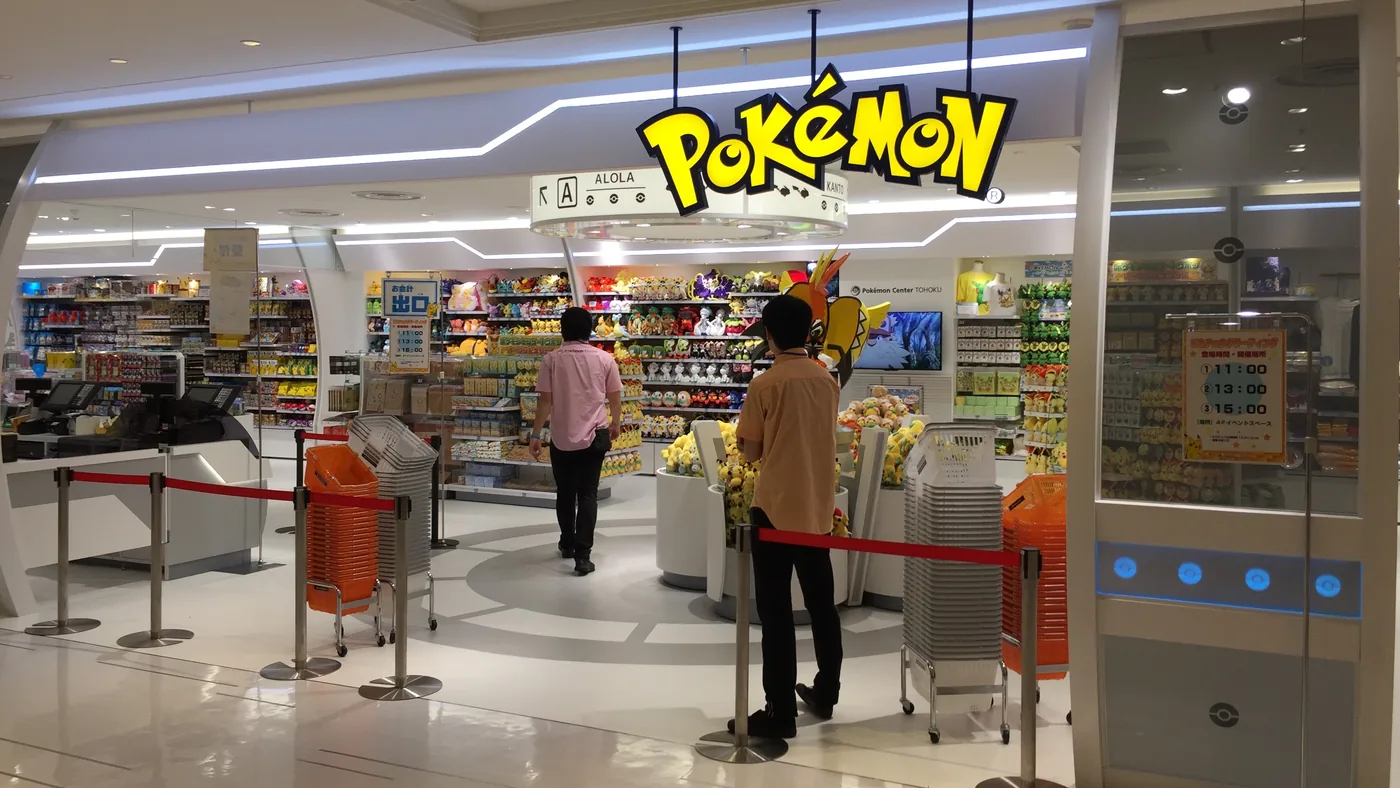
Pokémon turned thirty this year. The first two games reached Japanese shops on 27 February 1996, and the anniversary opened with a commercial during Super Bowl LX in February.6 Most franchises that old are museum pieces. This one still ships a game most years, still runs a card business, and still has an app in people's pockets.
That spread is what makes it awkward to rank. Fifteen rankings here have Pokémon somewhere in the options, and they come from fifteen unrelated fields: handheld games, collectible cards, animated films, mobile apps, 1990s nostalgia, even one actor's comedy roles.
Pokémon does not enter fifteen lists as one thing. It enters as a cartridge, a card, a cartoon and an app, and each of those meets a completely different set of rivals.
Pikachu vs Charizard: the mascot is not the default answer
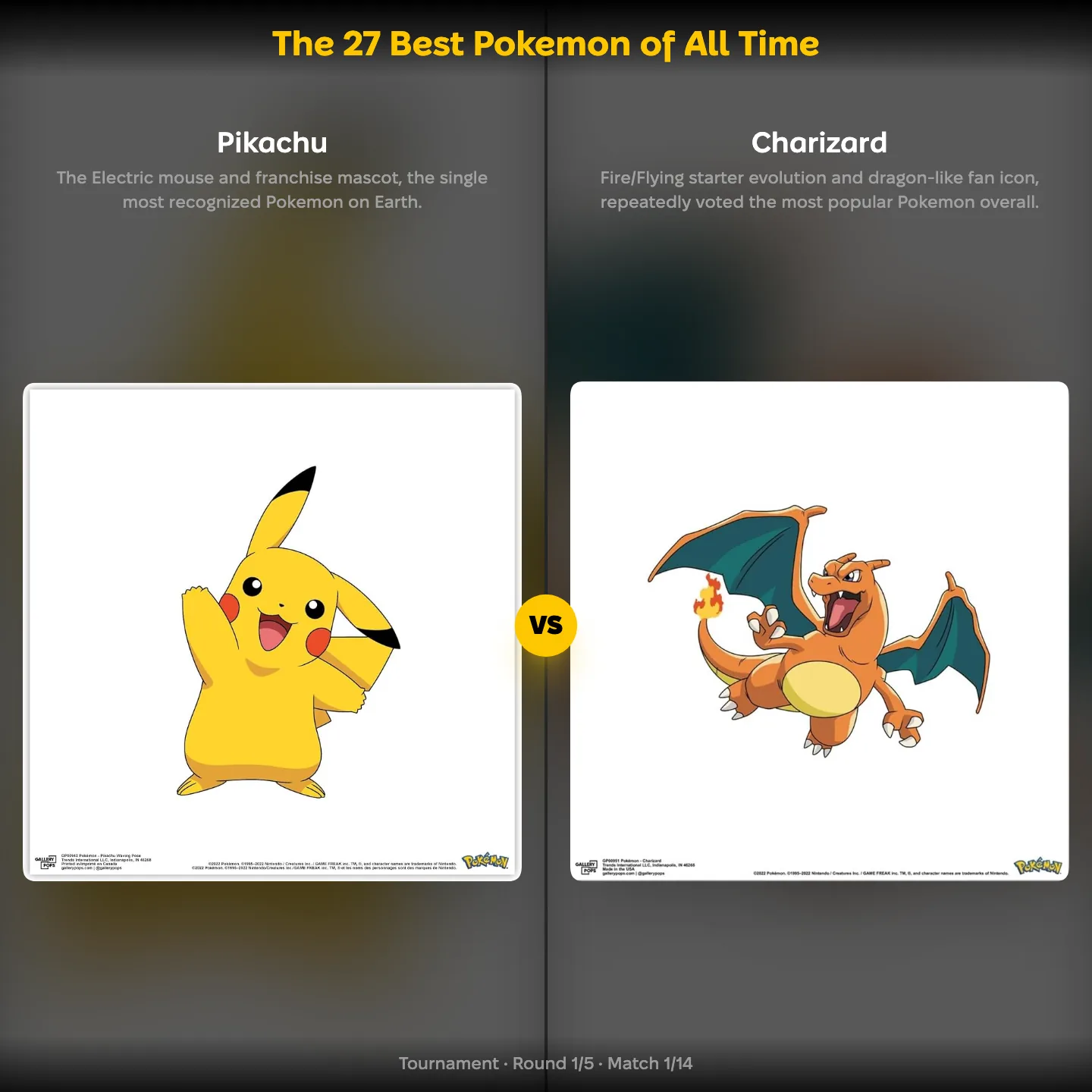
The broadest question the franchise can ask is which of its own creatures is best, and twenty-seven of them are on the list.
Pikachu is the face of the brand. It is the one on the packaging, the parade balloon and the Super Bowl ad, and it has been the mascot since the anime picked it out of a cast of 151 in 1997.
Charizard is the one people pick. The fire lizard has topped official Japanese popularity polls, drives the card market, and has more alternate forms in competitive play than any starter evolution deserves.
Mewtwo, Eevee, Gengar and Lugia are here as well. The franchise is large enough that its own favourites cancel each other out.
Thirty years of the same game, sold thirty times
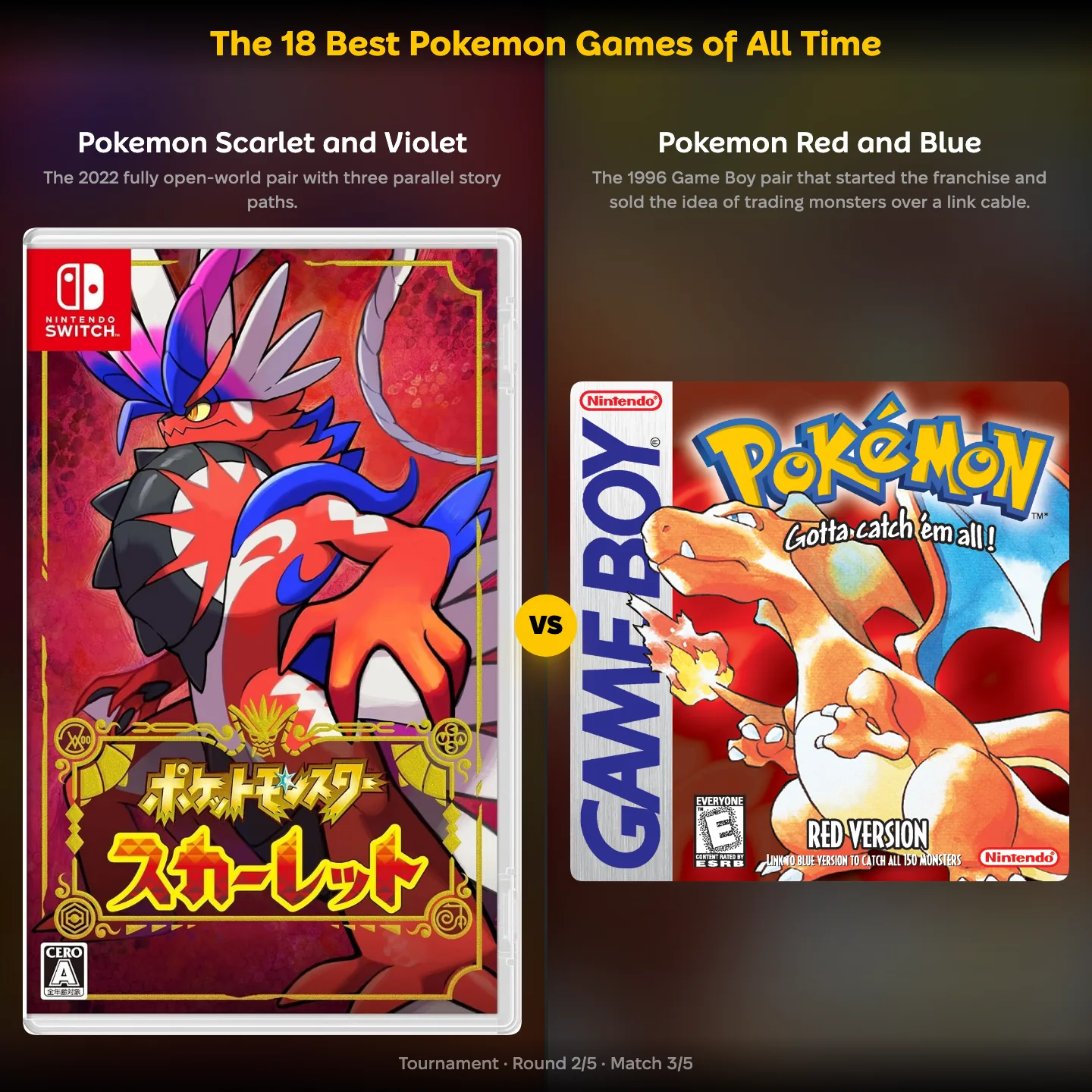
Eighteen mainline releases sit in this ranking, from the 1996 Game Boy pair to Pokémon Legends: Z-A in October 2025.
Red and Blue have the origin story. They also have the worst technology of the eighteen, which is why the argument usually goes to Gold and Silver, HeartGold and SoulSilver, or Emerald instead.
The recent entries carry the commercial case. Legends: Z-A had sold 12.79 million copies as of 31 March 2026, and its Switch 2 edition another 3.99 million by the end of June.3
What the eighteen have in common is a structure barely touched since 1996: pick a starter, cross a region, beat eight leaders, catch things on the way. Fans who defend the series and fans who are tired of it are describing the same design.
Tetris and Pokémon sold the Game Boy between them
Move Red and Blue out of the family and onto the hardware they ran on, and the company changes completely.
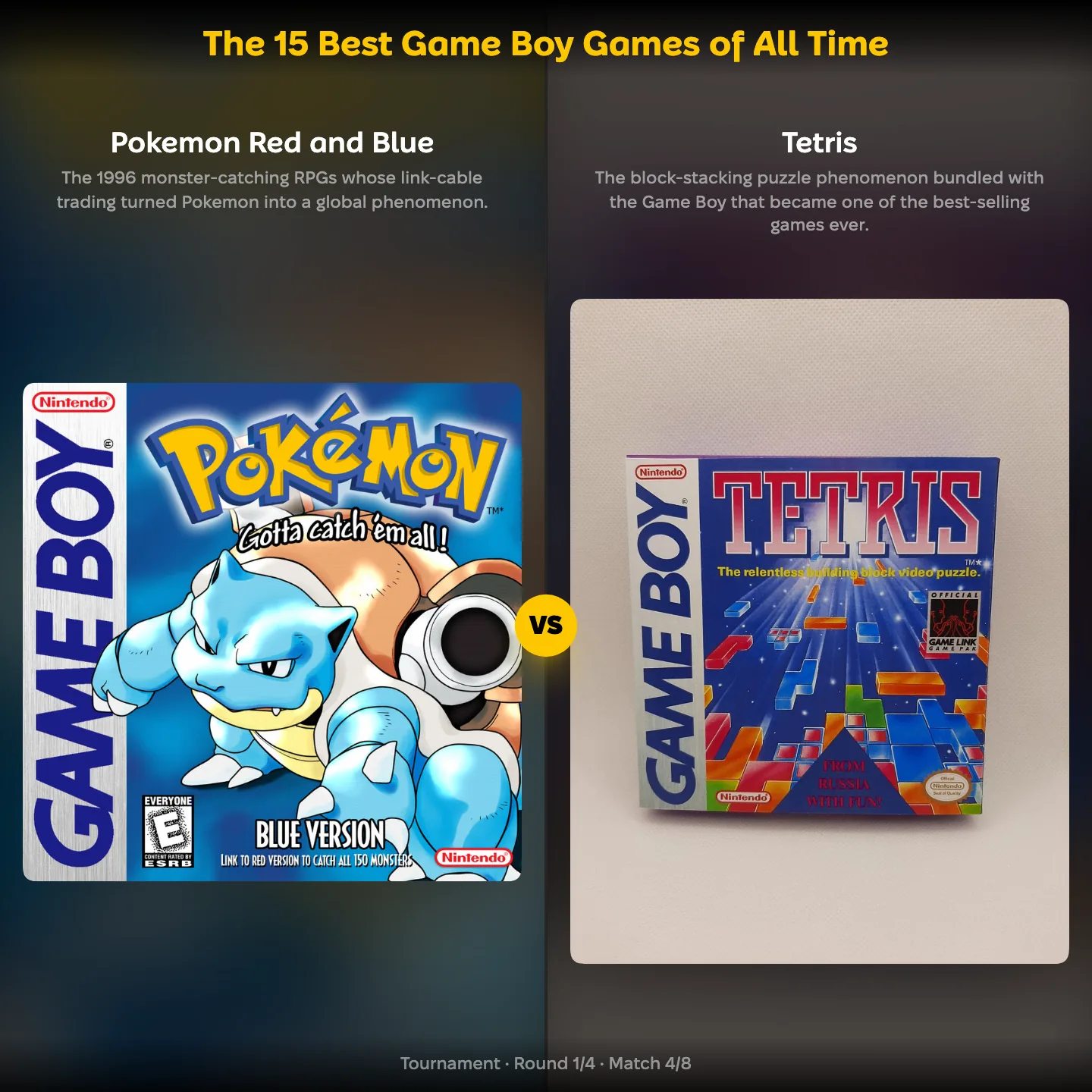
Tetris was bundled with the Game Boy in the West and became the reason adults bought one. Pokémon arrived late in the console's life and gave it a second one, in 1996 in Japan and 1998 elsewhere, on a machine Nintendo had nearly finished with.
The Legend of Zelda: Link's Awakening, Metroid II and Super Mario Land are on the same list, all of them technically better-looking than a game about swapping monsters over a cable.
That cable is the whole point. Pokémon is the only entry here that needed a second Game Boy and a second player to finish.
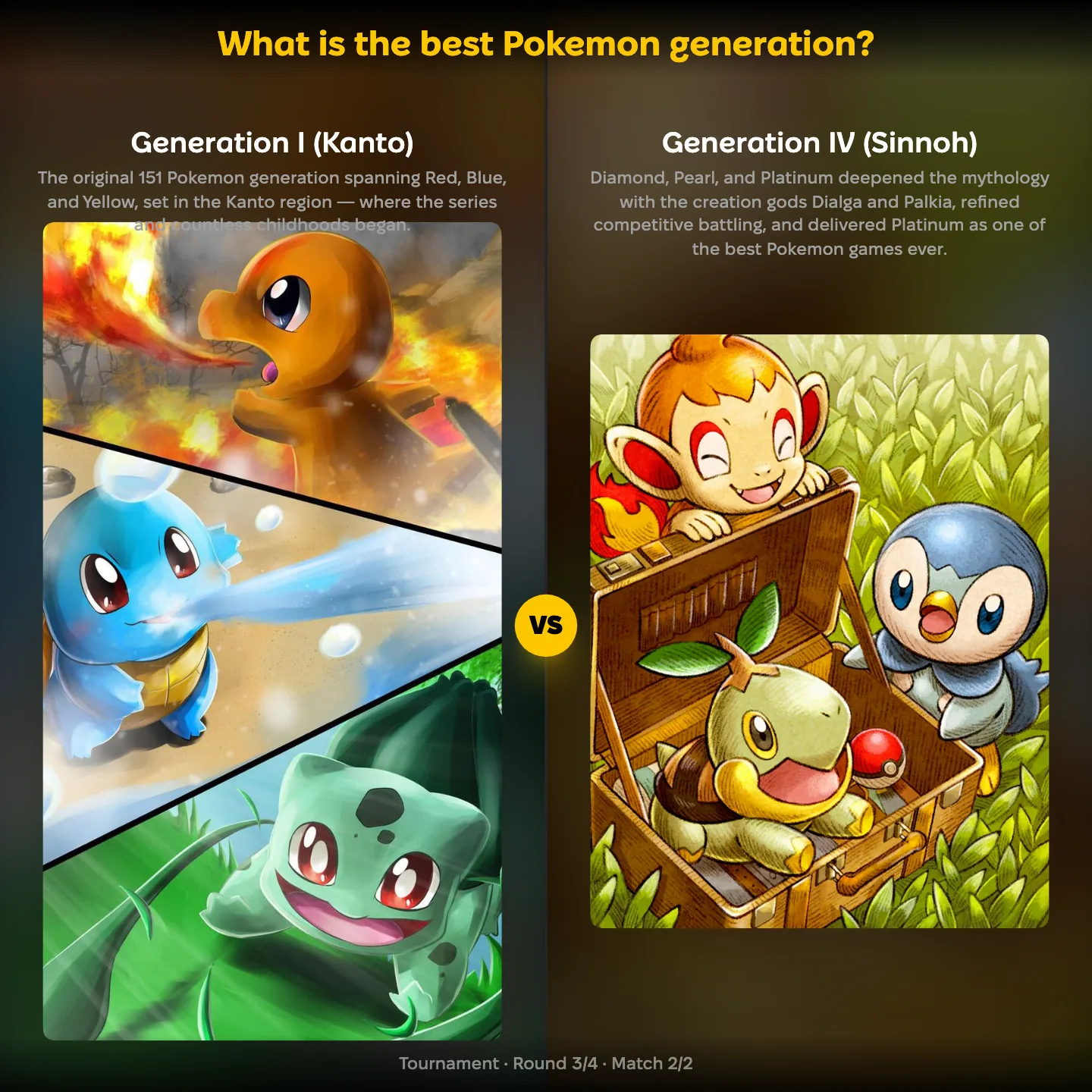
Kanto vs Sinnoh: which generation people defend
Nine generations, and what the question mostly measures is which childhood a player had.
Kanto has the 151 everyone can name and the games that started it. Nostalgia does a lot of work here, and it is worth remembering that the first generation shipped with a famously broken type chart and a Psychic problem nobody balanced.
Sinnoh has the counter-case. Diamond and Pearl split physical and special moves, which is the change competitive players point at when they explain why the modern games work.
Johto sits between them with the day-night clock and a second region bolted onto the first, and it is the generation most often called the peak.
Charmander vs Bulbasaur: the choice before you know anything
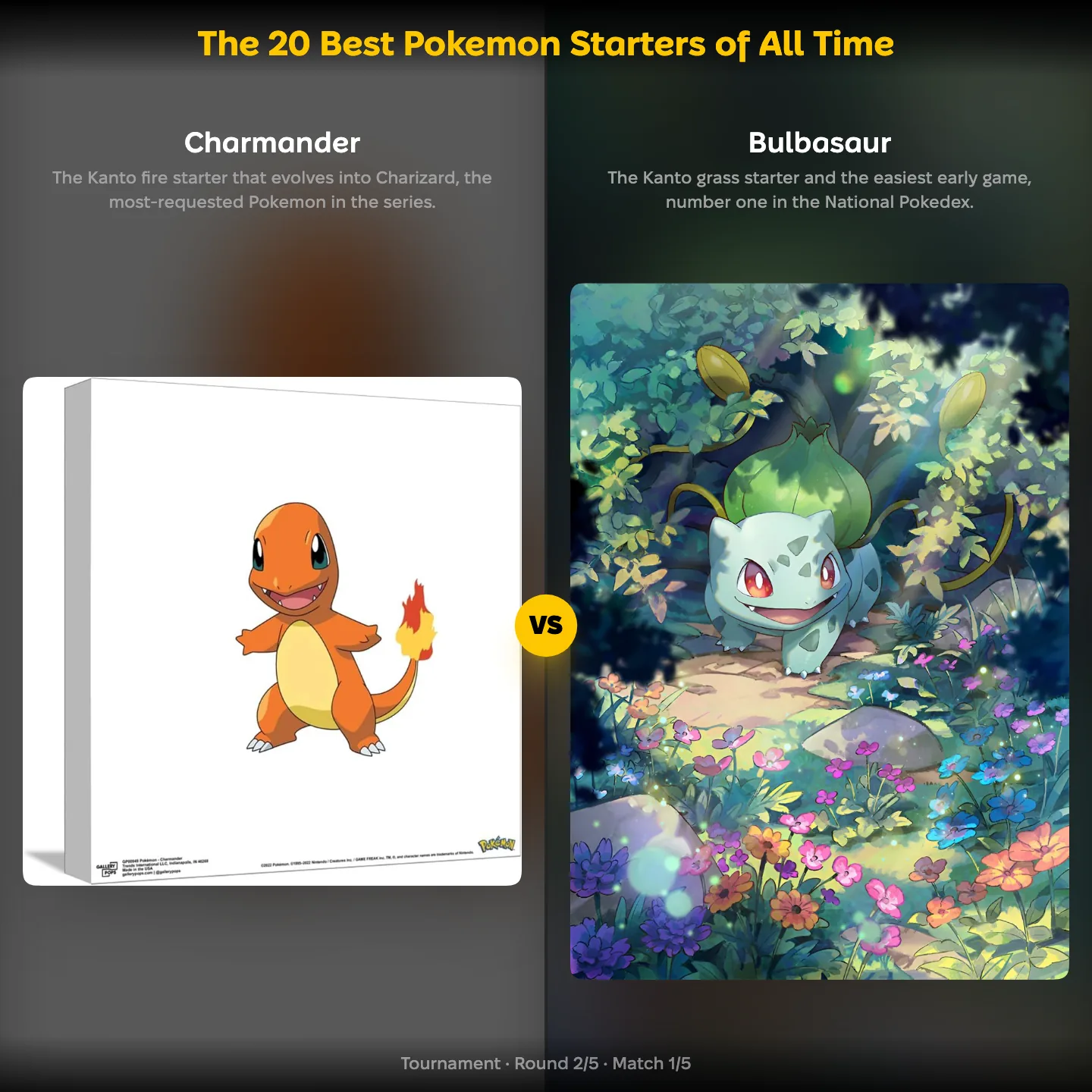
Every Pokémon game opens by asking a player who knows nothing about the game to commit to one of three animals for the next forty hours.
Charmander is the one most people pick and the one the game punishes. The first two gyms in Kanto are rock and water, which is a hard opening for a fire type, and the reward arrives much later as Charizard.
Bulbasaur walks through those same two gyms. It is the easy start, the one guides recommend, and the one nobody remembers choosing.
Twenty starters are on the list, Cyndaquil, Mudkip, Piplup, Rowlet, Sprigatito and Fuecoco among them, and the pattern repeats in every generation: the fire one is popular, the grass one is correct.
Pokémon GO is a different product with different rivals
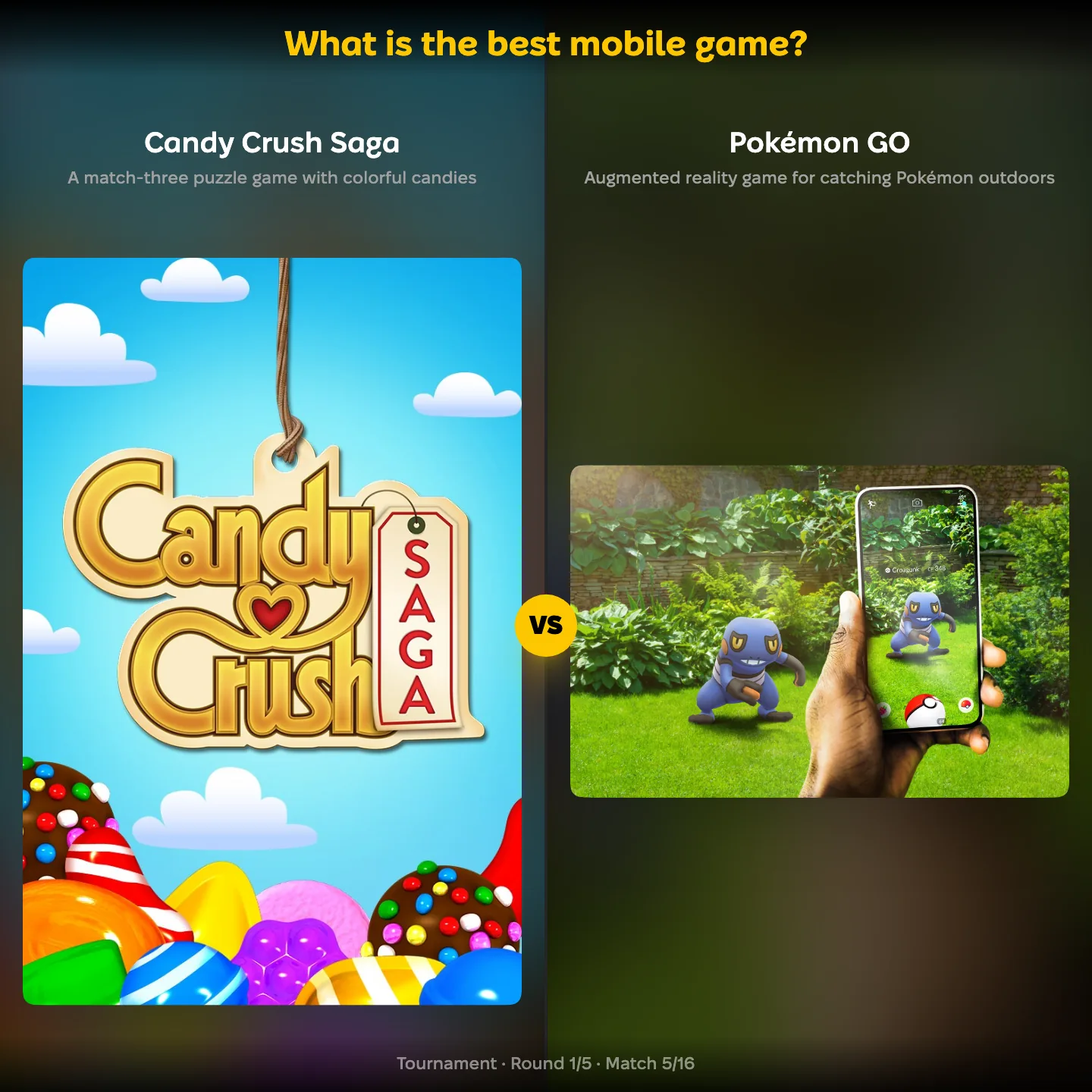
On a list of mobile games, Pokémon stops being a Nintendo franchise and becomes an app competing with Candy Crush Saga, Roblox and Among Us.
Pokémon GO earns its place on scale. Scopely, which bought Niantic's games business for $3.5 billion in a deal that closed in May 2025, counted more than 100 million people playing it during 2024, across more than 190 countries, with players having covered over 30 billion miles.4
The case against it is the one every live-service game faces. GO is a decade old, monetised through raid passes and ticketed events, and it asks players to leave the house.
Candy Crush asks for none of that, and that is what makes it the harder opponent in this company.
Pikachu Illustrator sold for $16.5 million
The card ranking is where Pokémon stops being a game and becomes an asset class.
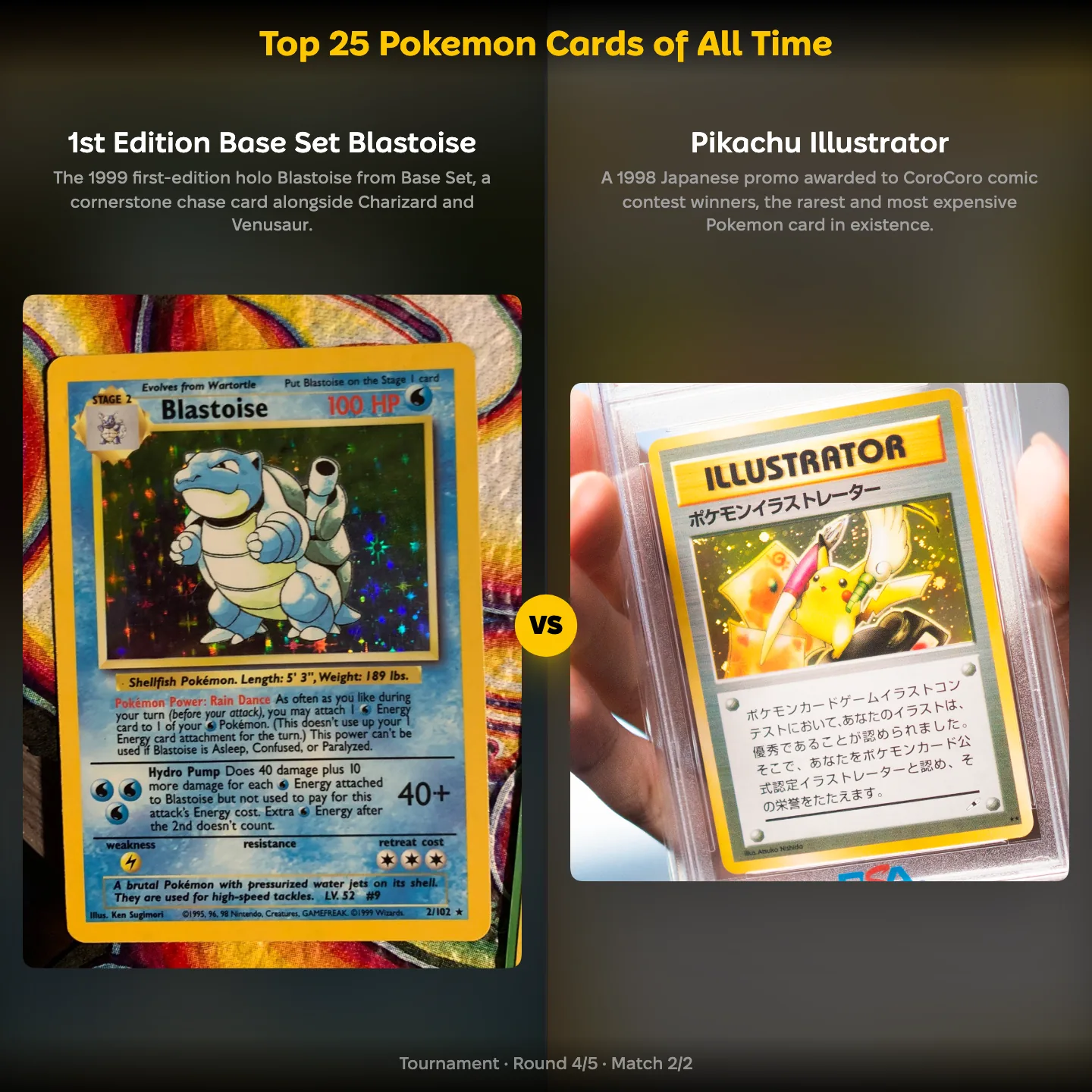
Pikachu Illustrator was never sold in shops. Roughly forty copies were handed out as prizes in a 1998 illustration contest run by the Japanese comic CoroCoro, drawn by Atsuko Nishida, who designed Pikachu in the first place. A PSA Gem Mint 10 copy sold through Goldin Auctions for $16,492,000 on 16 February 2026, the highest price ever paid for a Pokémon card at auction; the same card had changed hands privately for $5,275,000 in 2021.2
Charizard keeps the rest of the list in business. First Edition Base Set Charizard, Shadowless Charizard, Crystal Charizard from Skyridge and the Gold Star run all sit here, and the market treats them as blue chips: graded, slabbed, tracked by population report, bought by people who will never play a game with them.
Base Set Blastoise and Venusaur complete the original trio, and Meiji Promo Venusaur is the deep cut collectors reach for to prove they were paying attention before 2020.
What makes this ranking different from every other one in the article is that condition decides it. A card is only worth the number on the slab, so two copies of the same Charizard can be separated by a factor of a hundred. No other Pokémon list has that problem, because no other Pokémon list is grading its options.
Magic: The Gathering invented the format
Widen the question to card games in general, and the franchise meets the game it copied.
Magic: The Gathering shipped in 1993, three years before the Pokémon TCG, and every mechanic the category now takes for granted came out of Richard Garfield's design: a resource curve, a deck you build yourself, rarities that make some cards hard to get.
Pokémon's answer is reach. It is the game children start with, and its 30th Celebration set makes every card in the set foil and includes thirty different Pikachu illustrations, which is a collector's product rather than a player's one.1
Yu-Gi-Oh!, Hearthstone, Lorcana and the One Piece Card Game also compete here. The split running through all of them is the same: games people play in tournaments, and games people buy sealed and never open.
Twelve Pokémon films, and one people still quote
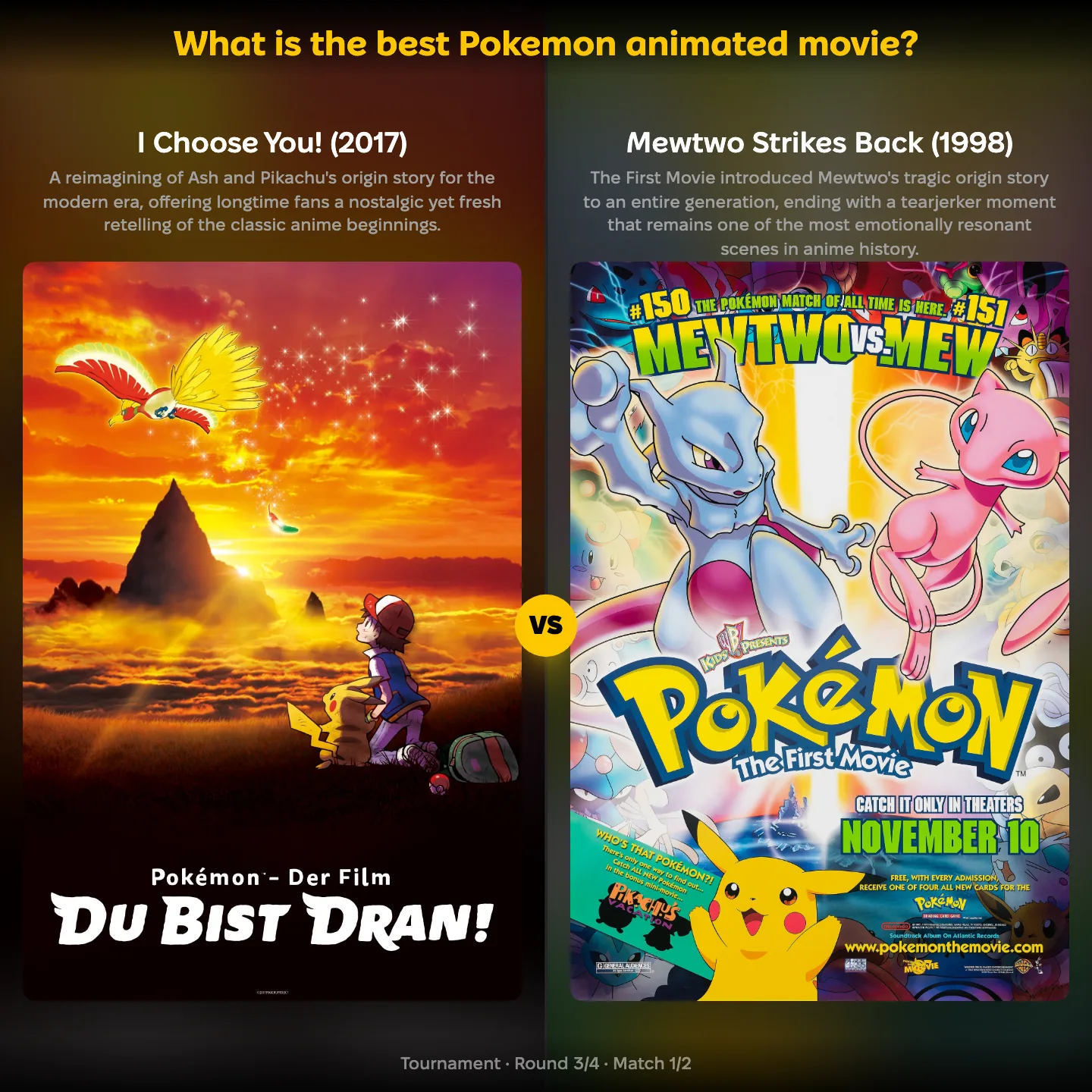
The animated films are a closed world: twelve entries competing only with each other.
Mewtwo Strikes Back opened the run in 1998 and ends on a scene about a cloned Pokémon and a dying trainer that a generation of children were not ready for.
Lucario and the Mystery of Mew and The Rise of Darkrai are what people reach for once the obvious answer is out of the way.
Pokémon: The First Movie vs The Simpsons Movie
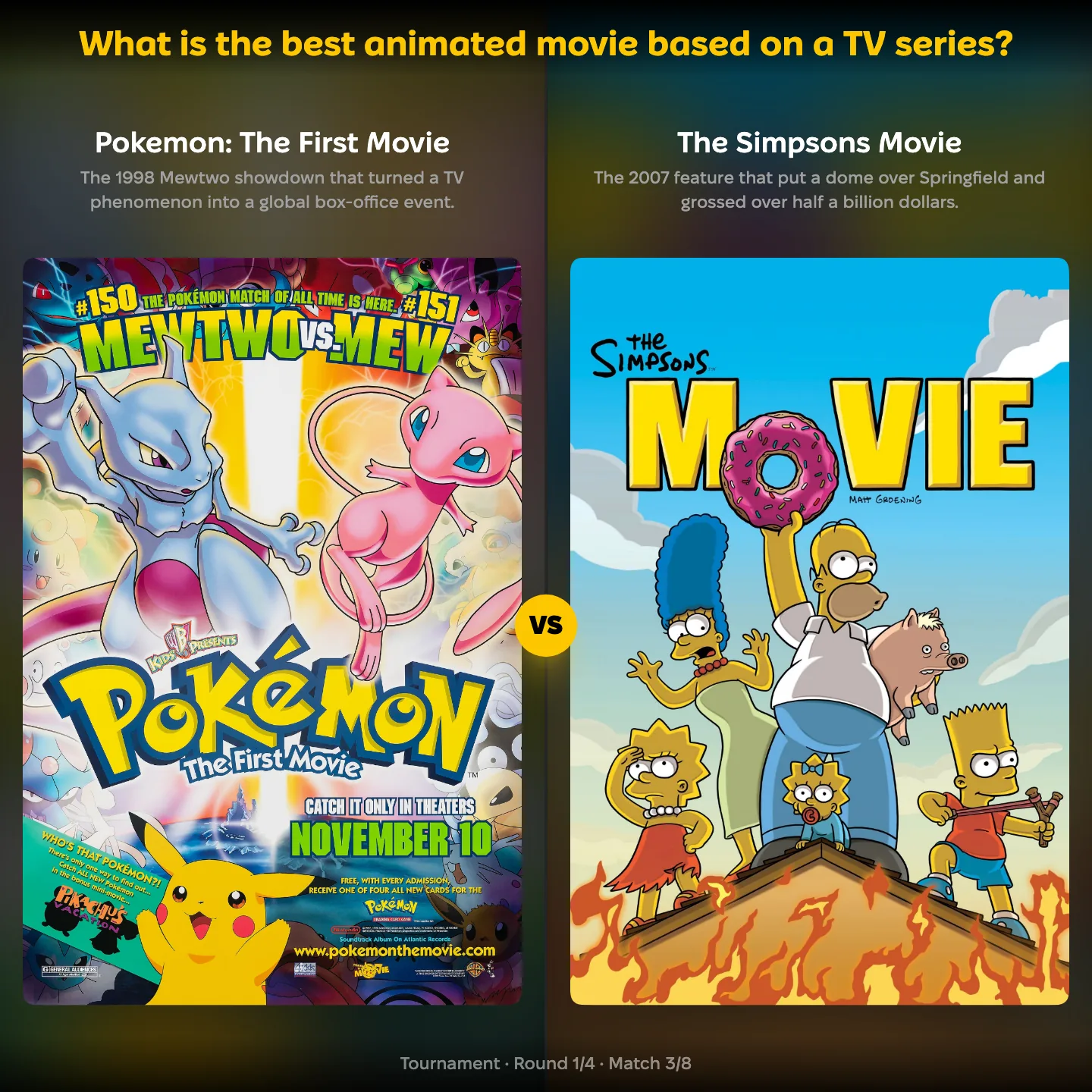
Take the same film out of its own franchise and put it on a list of films made from television, and the company gets much harder.
Pokémon: The First Movie was the second-highest-grossing anime film worldwide when it released, and it did that on a property Western audiences had known for about a year.
The Simpsons Movie had eighteen seasons of goodwill behind it. Batman: Mask of the Phantasm is the critics' pick, South Park: Bigger, Longer & Uncut got an Oscar nomination for its songs, and Cowboy Bebop: The Movie is the one people bring up to change the subject.
Fifteen films, and Pokémon alone was aimed squarely at children who were already collecting the cards.
A Cruel Angel's Thesis vs Gotta Catch 'Em All
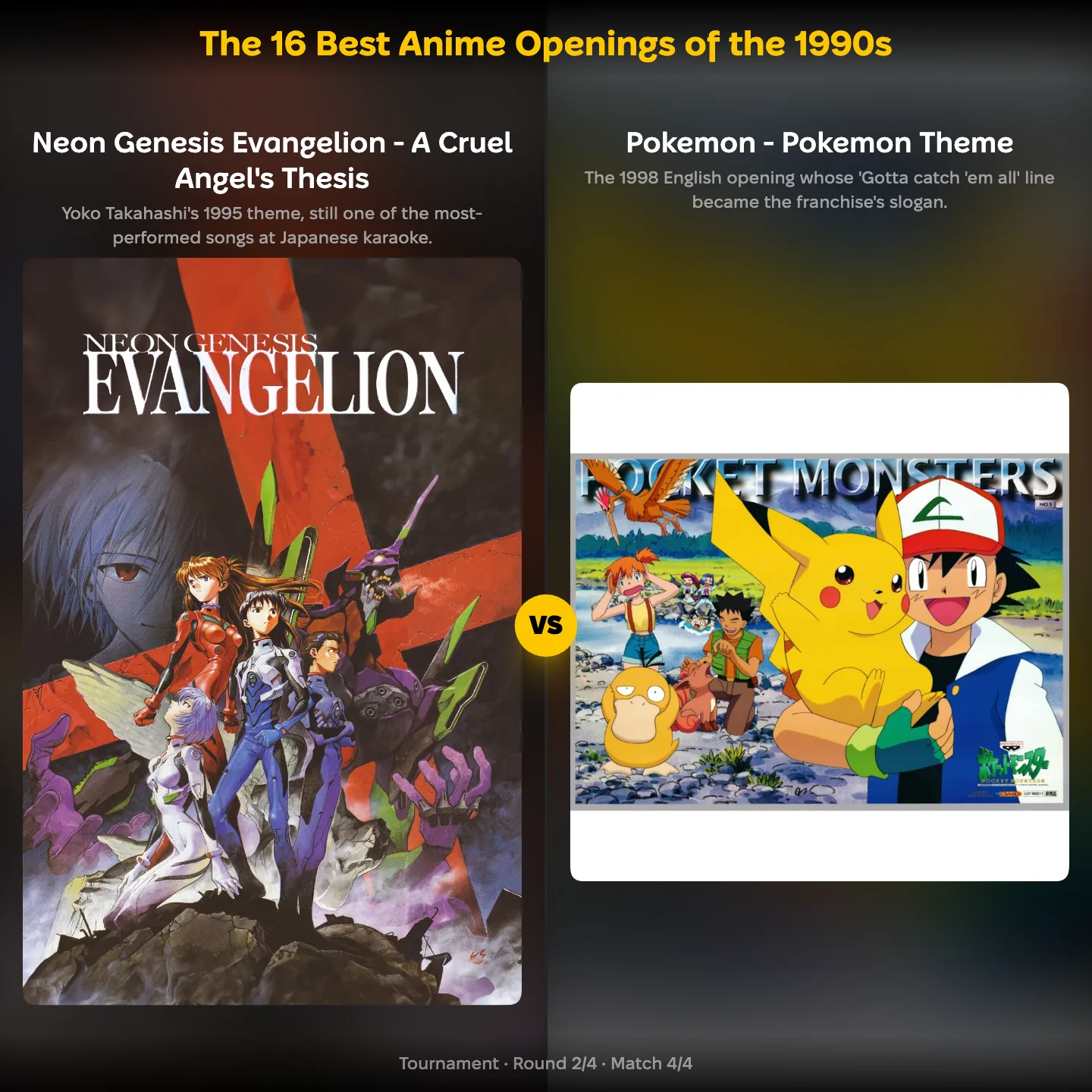
Sixteen anime openings from the 1990s, and the Pokémon theme is the one with the widest reach and the least critical support.
Neon Genesis Evangelion's A Cruel Angel's Thesis is the standard. Yoko Takahashi's 1995 theme is still among the most-performed songs in Japanese karaoke and gets covered by orchestras.
The Pokémon Theme was written for the English dub in 1998 by a team at 4Kids, and it is a jingle in the honest sense: built to be sung by seven-year-olds and impossible to remove from anyone who was one.
Cowboy Bebop's Tank!, Sailor Moon's Moonlight Densetsu and Yu Yu Hakusho's Hohoemi no Bakudan are the openings people who take anime seriously would name first, which is precisely the company Pokémon is keeping here.
Tamagotchi, Beanie Babies and one survivor
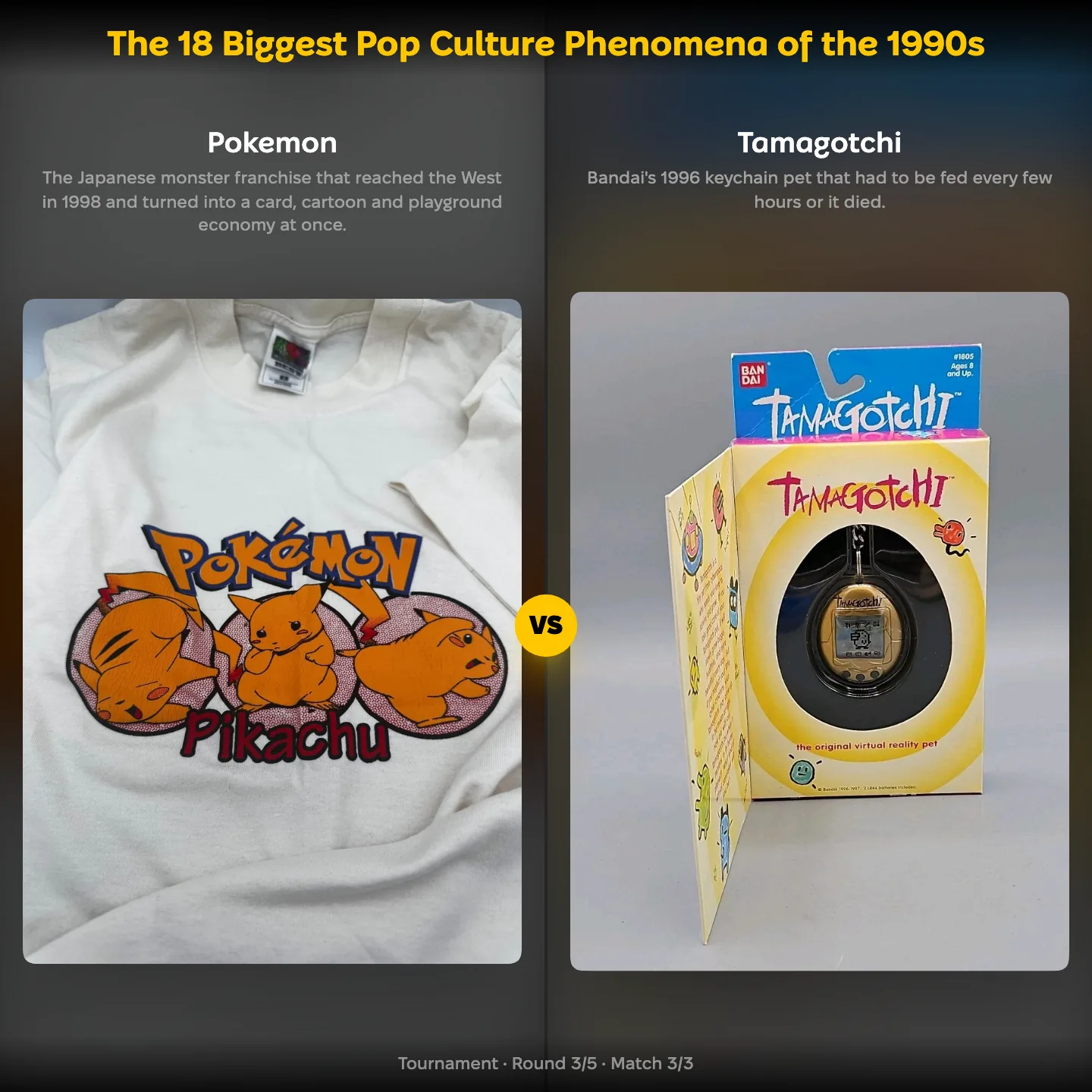
Eighteen things that stopped being products in the 1990s and became a period, and Pokémon is on the list twice over: as a card craze schools banned, and as a cartoon.
Tamagotchi is the closest comparison. Bandai's 1996 keychain pet was the other Japanese import that colonised playgrounds, needed constant attention, and was confiscated by teachers.
Beanie Babies is the closest warning. Ty's plush line became a speculative market with price guides and sleeve protectors, and then it became nothing at all. Pokémon cards ran a version of the same playbook in 1999, down to the schools that banned them from playgrounds, and came out of it with a business instead of a cautionary tale.
Titanic, Jurassic Park, the Spice Girls, Nirvana and Michael Jordan's Bulls share this list. All of them are now back catalogue: reissued, remastered, streamed, occasionally toured.
Pokémon shipped a new mainline product this decade, which is what separates a franchise from a memory.
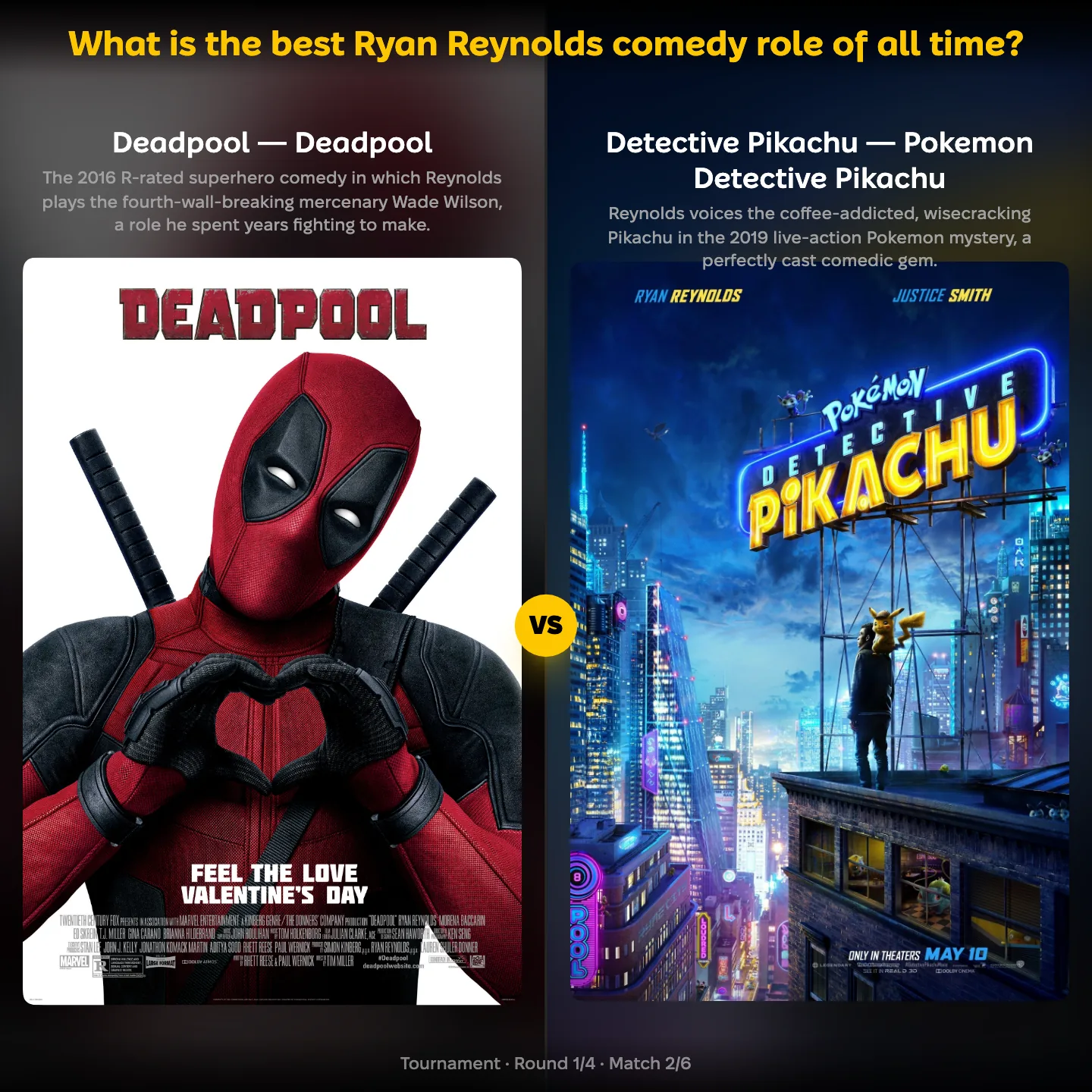
The strangest room: a Ryan Reynolds filmography
Twelve comedy roles by one actor, one of them a talking Pokémon.
Reynolds voiced the title character in Pokémon Detective Pikachu in 2019, a film that grossed $451.5 million worldwide, with more than two thirds of that coming from outside the United States.5
Deadpool is the problem. Reynolds played him three times, spent years getting the first film made, and the character is the reason most people can name him at all.
Free Guy, The Proposal and Van Wilder are also on this list, which puts a talking electric mouse somewhere in the middle of a mainstream comedy career. It is the least likely place in this article to find Pokémon, and the connection is one line: the actor, not the franchise.
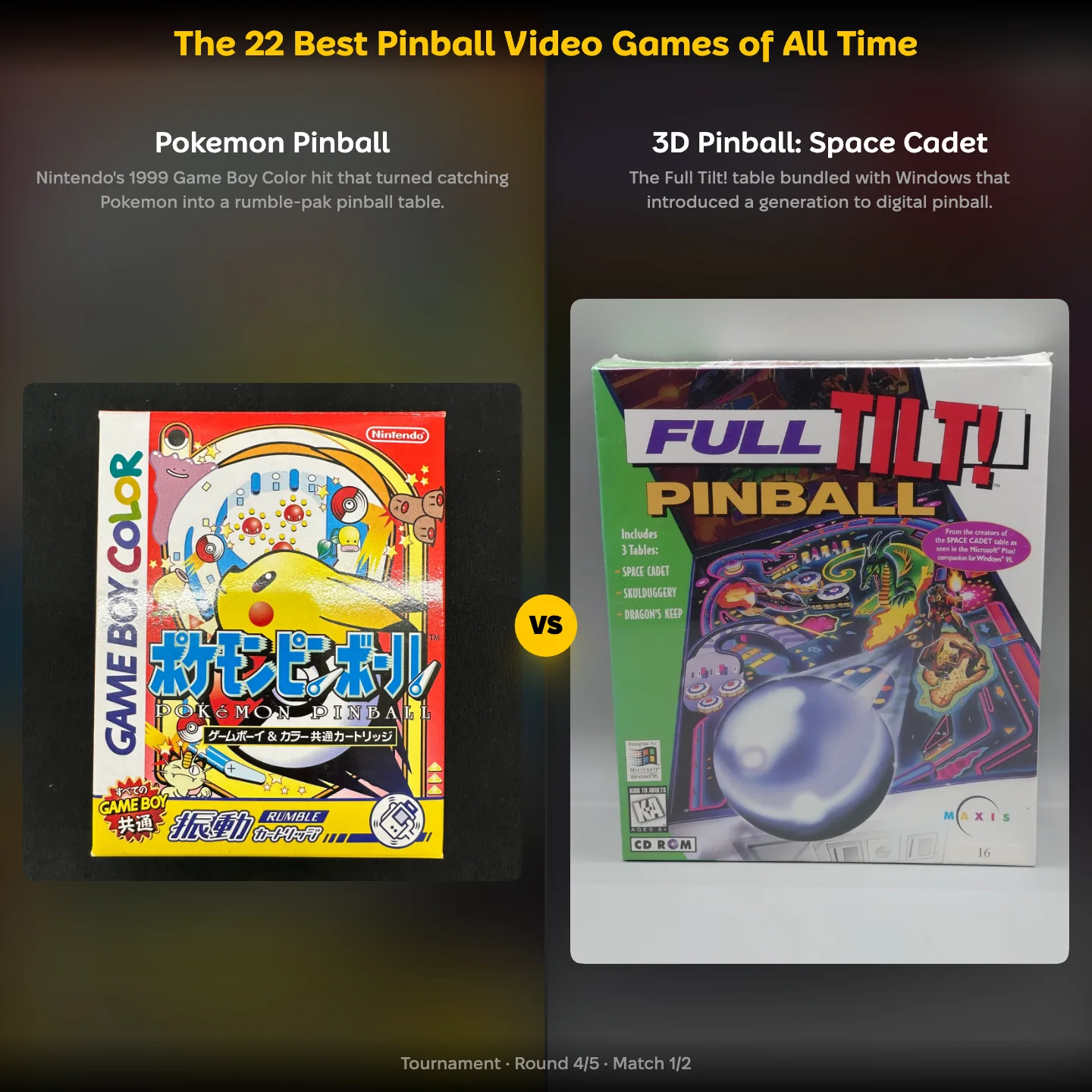
A pinball table with no monsters to catch
Pokémon Pinball shipped for the Game Boy Color in 1999 with a rumble motor built into the cartridge.
Everything else in this ranking is a simulation for people who like real pinball: Pro Pinball: Timeshock!, Pinball Fantasies, the Windows table 3D Pinball: Space Cadet. Pokémon Pinball uses the table as a way to fill a Pokédex.
Metroid Prime Pinball and Sonic Spinball are here too. Mascots keep wandering into this genre.
The list nobody wants to lead
Thirty years of annual releases is a strong case for a ranking about franchises that have gone on too long.
The complaint against Pokémon is specific: nine generations of the same eight-gym structure, technical performance that reviewers have criticised in each of the last three mainline releases, and a schedule set by the card and merchandise calendar rather than by development time.
Call of Duty, EA Sports FC, Madden NFL and Just Dance have the stronger case for the title, because they are contractually annual and nobody pretends otherwise.
Assassin's Creed, Far Cry and Dynasty Warriors round out the field. Pokémon belongs here for its age alone, and its next release is the only one on this list people are still curious about.
Fifteen rankings, and no two from the same shelf
A card that sold for eight figures, a Game Boy cartridge, a jingle written for a dub, and a supporting role in a Ryan Reynolds comedy: those four things share a trademark and nothing else. The franchise got big by refusing to stay one product, and the cost of that is that no single list can hold it.
All fifteen get decided by putting two options head to head, over and over. That is the only method that survives a field whose entries share nothing but a trademark.
The next chapter is already dated: the 30th Celebration card set arrives worldwide on 16 September 2026.1
Got a subject that lands in categories it has no business being in? Build a ranking for it.
More rankings, more angles
- Sonic the Hedgehog, Ranked Many Ways — the other 1990s mascot, still running
- Super Mario vs The Legend of Zelda — Nintendo's two other houses, compared
- Final Fantasy, Ranked Many Ways — a franchise that changes everything but the name
Sources
- The Pokémon Company — Pokémon TCG: 30th Celebration, worldwide release 16 September 2026, all-foil set with 30 Pikachu illustrations: pokemon.com (checked 2026-08-16)
- Guinness World Records — most expensive Pokémon trading card sold at auction, PSA Gem Mint 10 Pikachu Illustrator, $16,492,000 through Goldin Auctions on 16 February 2026, previously bought privately for $5,275,000 in 2021: guinnessworldrecords.com (checked 2026-08-16)
- Nintendo — top-selling software units: Pokémon Legends: Z-A at 12.79 million as of 31 March 2026 and its Nintendo Switch 2 edition at 3.99 million as of 30 June 2026: nintendo.co.jp (checked 2026-08-16)
- Scopely — acquisition of Niantic's games business including Pokémon GO for $3.5 billion, with over 100 million unique players in 2024, 190+ countries and more than 30 billion miles covered: scopely.com (checked 2026-08-16)
- Box Office Mojo — Pokémon Detective Pikachu (2019) worldwide gross $451,453,444, of which $307,278,348 international: boxofficemojo.com (checked 2026-08-16)
- Nintendo Life — Pokémon's 30th anniversary campaign and Super Bowl LX commercial on 8 February 2026, with Pokémon Red and Blue dated 27 February 1996 in Japan: nintendolife.com (checked 2026-08-16)