Science fiction sequels have expanded universes, deepened mythology, and revolutionized filmmaking. From The Empire Strikes Back's revelations to Blade Runner 2049's meditations, which sequel is the greatest sci-fi follow-up?
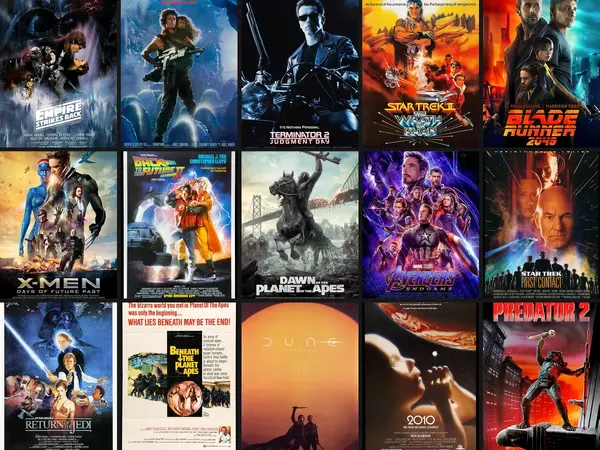
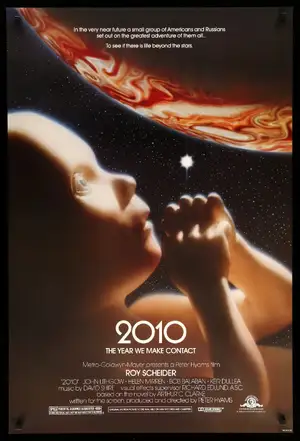 12010: The Year We Make ContactPeter Hyams' 1984 Kubrick sequel — a more accessible but underrated companion piece to 2001.1000pts
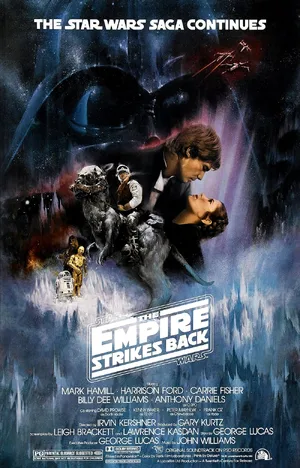 2The Empire Strikes BackThe 1980 Star Wars sequel — darker, richer, and widely considered the best in the entire saga.999pts
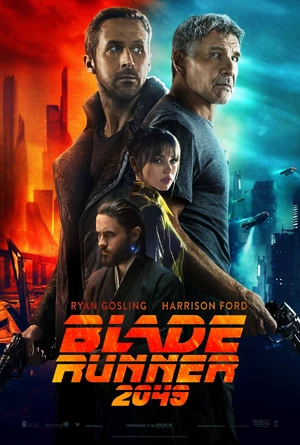 3Blade Runner 2049Denis Villeneuve's 2017 sequel that matched Ridley Scott's atmosphere and posed fresh philosophical questions.721pts
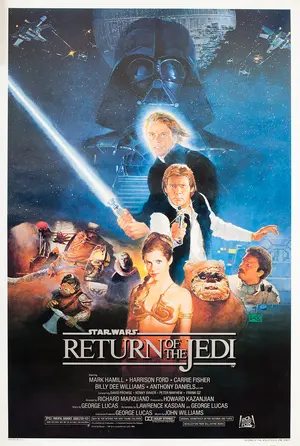 4Return of the JediThe 1983 original Star Wars trilogy finale balancing galactic battles with intimate father-son drama.551pts
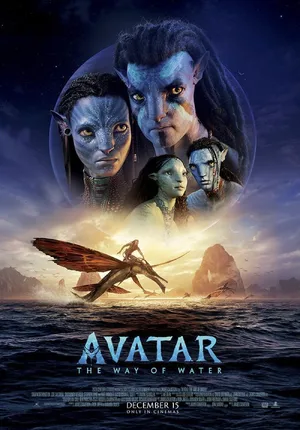 5Avatar: The Way of WaterJames Cameron's 2022 breathtaking visual sequel exploring Pandora's oceans with record-breaking box office.467pts
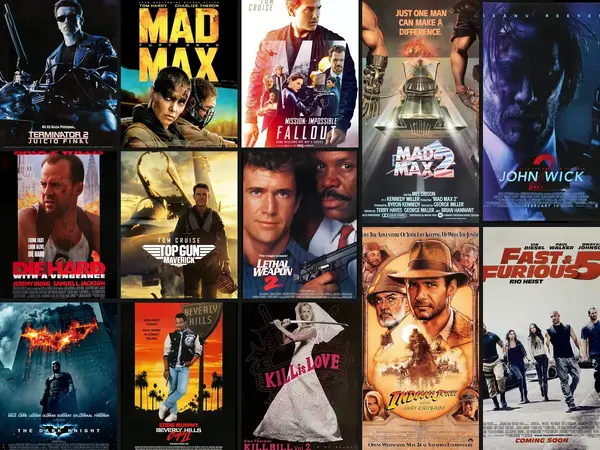
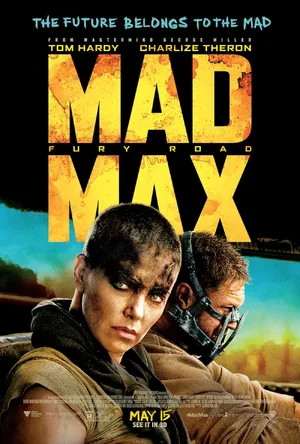 6Mad Max: Fury RoadGeorge Miller's 2015 post-apocalyptic sci-fi chase film that broke genre conventions and stunned critics.363pts
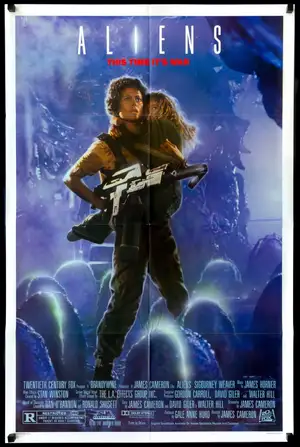 7AliensJames Cameron's 1986 sequel to Alien — a genre-defining sci-fi action film in its own right.363pts
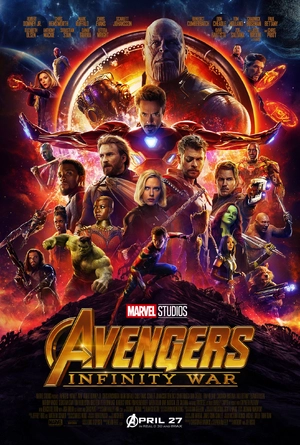 8Avengers: Infinity WarThe 2018 MCU event film functioning as an ensemble sci-fi epic that shocked audiences with its ending.363pts
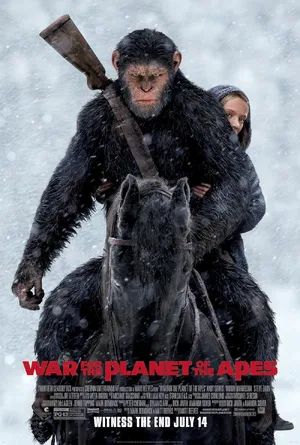 9War for the Planet of the ApesThe 2017 emotionally devastating conclusion to the Caesar trilogy, a bleak and majestic sci-fi war film.233pts
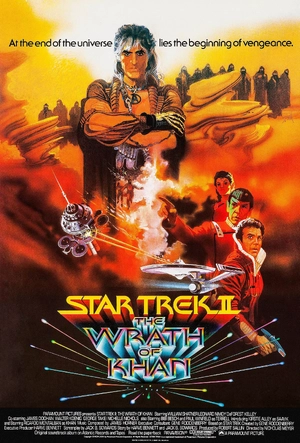 10Star Trek II: The Wrath of KhanThe 1982 fan-favorite Star Trek sequel featuring Ricardo Montalbán's iconic Khan and Spock's sacrifice.233pts
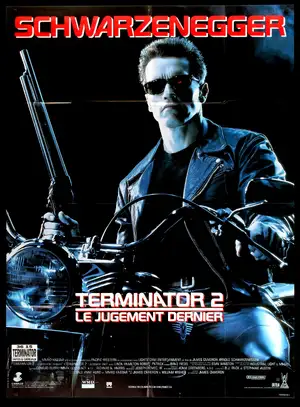 11Terminator 2: Judgment DayJames Cameron's 1991 sci-fi action sequel featuring groundbreaking liquid-metal CGI and a deeper story.1pts
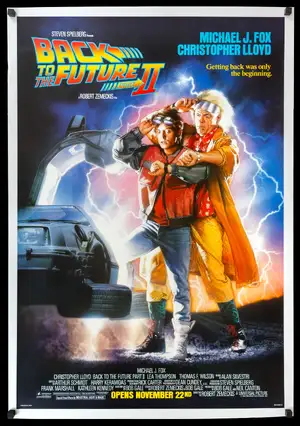 12Back to the Future Part IIThe 1989 sequel sending Marty and Doc to 2015 in a bold, visually inventive time-travel adventure.1pts
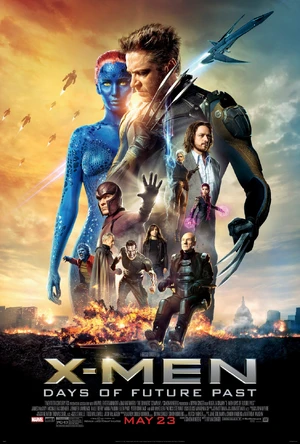 13X-Men: Days of Future PastBryan Singer's 2014 time-travel sequel merging the original and prequel casts in a smart genre reshuffling.0pts
Comments 1
Nicholas Meyer's 1982 sequel is in the National Film Registry and still has to get past The Empire Strikes Back, out two years earlier: https://youpick.best/articles/star-trek-ranked-many-ways
YP
ypb-teamAug 21