Eighteenth-century treatises, Cold War manifestos and airport bestsellers all wrestle with one puzzle: why some societies get rich and others don't. Back the ones that actually changed how you see money.
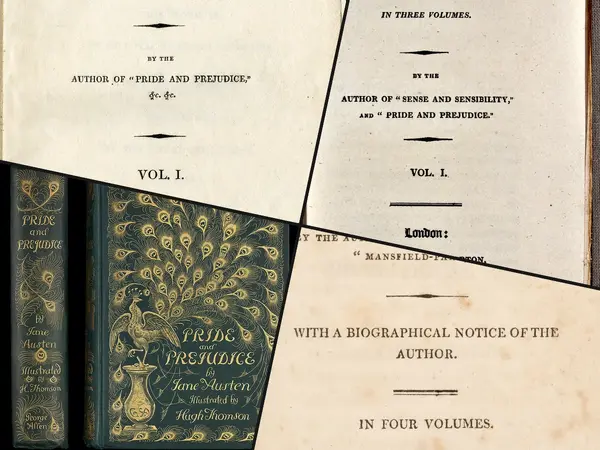
 1The Wealth of NationsAdam Smith's 1776 founding text of modern economics, introducing the division of labour and the invisible hand.1000pts
 2The General TheoryJohn Maynard Keynes's 1936 work that explained mass unemployment and launched macroeconomics.946pts
 3The Economic Consequences of the PeaceKeynes's 1919 polemic predicting the Treaty of Versailles would wreck Europe's economy.771pts
 4Economics in One LessonHenry Hazlitt's 1946 primer on looking past the immediate effects of economic policy.624pts
 5Principles of Political Economy and TaxationDavid Ricardo's 1817 treatise that set out comparative advantage and the theory of rent.624pts
 6Thinking, Fast and SlowDaniel Kahneman's 2011 tour of the two systems of thought behind the biases that behavioural economics studies.560pts
 7Basic EconomicsThomas Sowell's jargon-free, equation-free guide to how economies work.560pts
 8Small Is BeautifulE.F. Schumacher's 1973 essays arguing for human-scale, sustainable economics.485pts
 9A Monetary History of the United StatesMilton Friedman and Anna Schwartz's 1963 study that blamed the Great Depression on monetary contraction.485pts
 10Das KapitalKarl Marx's critique of political economy, first published in 1867, analysing capital, labour and exploitation.485pts
 11The Ascent of MoneyNiall Ferguson's 2008 financial history of the world, from Mesopotamian loans to modern markets.485pts
 12Doughnut EconomicsKate Raworth's 2017 framework for meeting human needs within planetary boundaries.485pts
 13Poor EconomicsAbhijit Banerjee and Esther Duflo's 2011 field-evidence look at how the world's poorest people actually live.397pts
 14Capitalism, Socialism and DemocracyJoseph Schumpeter's 1942 classic that coined creative destruction as capitalism's engine.397pts
 15Human ActionLudwig von Mises's 1949 magnum opus of the Austrian School.397pts
 16This Time Is DifferentCarmen Reinhart and Kenneth Rogoff's 2009 survey of eight centuries of financial crises.397pts
 17The Wealth and Poverty of NationsDavid Landes's 1998 history of why some nations grew rich and others stayed poor.397pts
 18NudgeRichard Thaler and Cass Sunstein's 2008 book on how choice architecture steers everyday decisions.397pts
 19FreakonomicsSteven Levitt and Stephen Dubner's 2005 bestseller applying economic thinking to cheating, crime and baby names.397pts
 20Free to ChooseMilton and Rose Friedman's 1980 companion to the TV series arguing for economic freedom.397pts
 21The Great TransformationKarl Polanyi's 1944 history of how market society emerged and the backlash it provoked.397pts
 22Principles of EconomicsAlfred Marshall's 1890 textbook that brought supply-and-demand curves to the centre of economics.397pts
 2323 Things They Don't Tell You About CapitalismHa-Joon Chang's 2010 myth-busting look at free-market orthodoxy.397pts
 24The Road to SerfdomFriedrich Hayek's 1944 warning that central planning leads to the loss of individual freedom.291pts
 25Capitalism and FreedomMilton Friedman's 1962 case for free markets as the foundation of political liberty.291pts
 26Why Nations FailDaron Acemoglu and James Robinson's 2012 argument that inclusive institutions decide which countries prosper.291pts
 27The Undercover EconomistTim Harford's 2005 bestseller revealing the economics behind coffee prices, traffic and everyday life.291pts
 28The Theory of the Leisure ClassThorstein Veblen's 1899 satire that introduced conspicuous consumption.291pts
 29Debt: The First 5,000 YearsDavid Graeber's 2011 anthropological history of credit, money and obligation.291pts
 30Capital in the Twenty-First CenturyThomas Piketty's 2013 data-driven bestseller on the long-run rise of wealth inequality.0pts
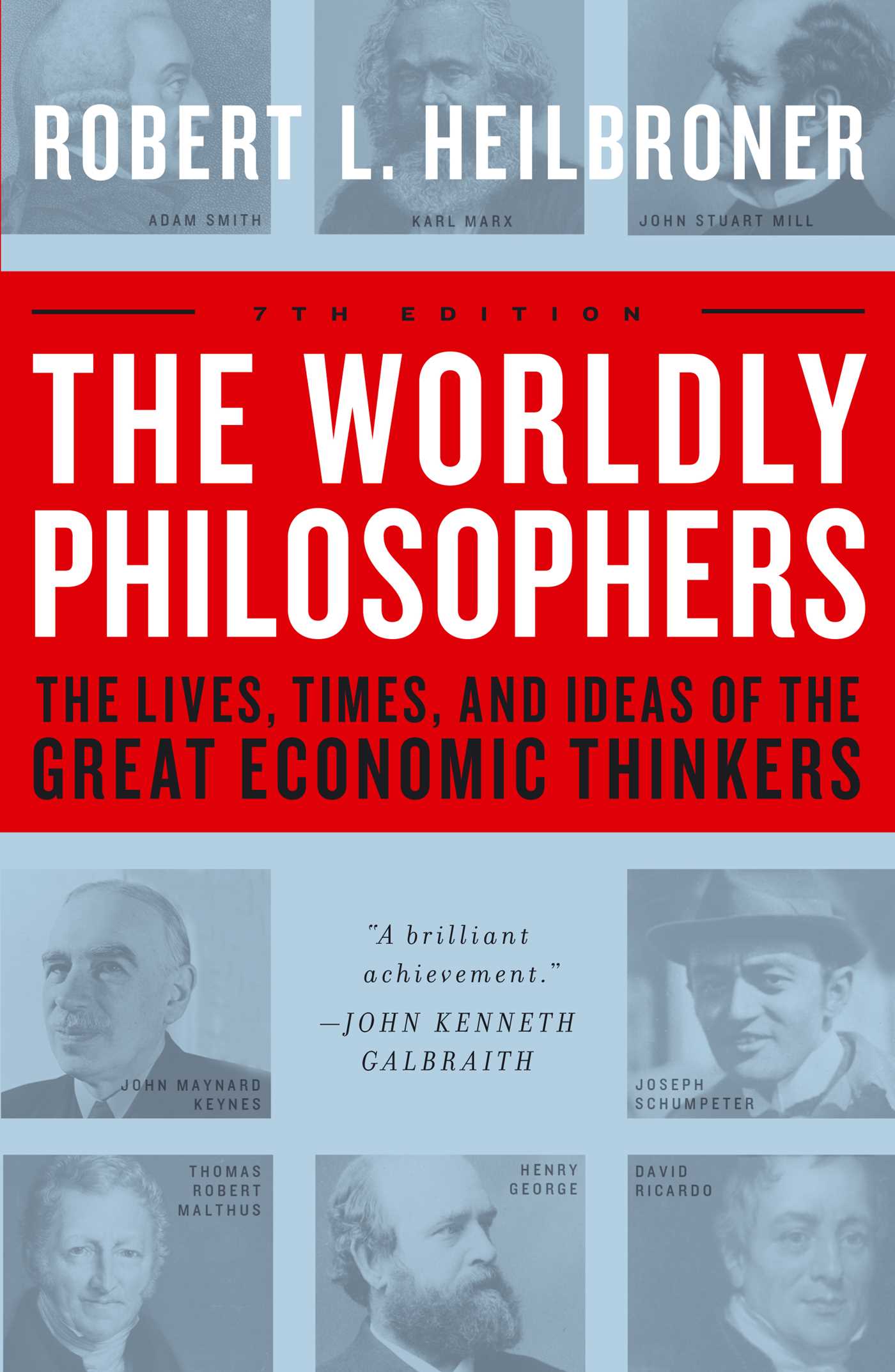 31The Worldly PhilosophersRobert Heilbroner's 1953 lively history of the great economic thinkers and their ideas.0pts
Photo credits
- The Ascent of Money — Unknown authorUnknown author, CC BY 4.0
- Principles of Economics — Dipsey, CC BY-SA 3.0