From Kurosawa's samurai epics and Mizoguchi's ghost stories to Ghibli's animated worlds, J-horror terrors, and modern humanist dramas — this is a century of cinema in miniature. Cast your vote!
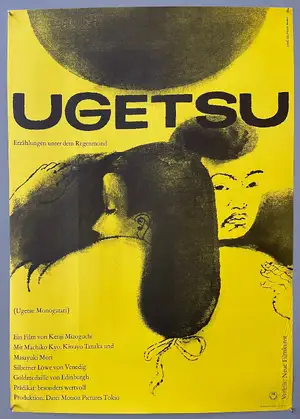 1UgetsuKenji Mizoguchi's 1953 ghost-story masterpiece set during civil-war Japan, weaving the supernatural and the mundane into a mournful meditation on greed, ambition, and lost love.1000pts
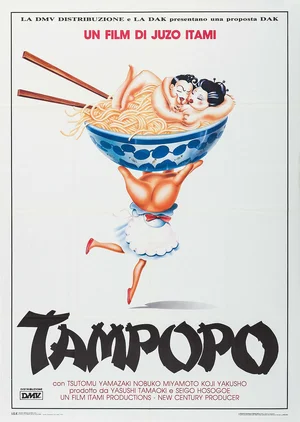 2TampopoJuzo Itami's 1985 food comedy epic weaves the story of a widow perfecting her ramen shop with vignettes celebrating Japan's obsessive relationship with cuisine.789pts
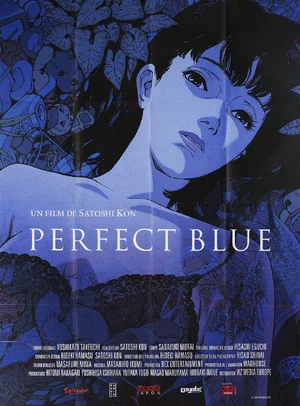 3Perfect BlueSatoshi Kon's 1997 psychological horror anime following a pop idol whose grip on reality fractures as she pursues an acting career — a profound exploration of identity and obsession.789pts
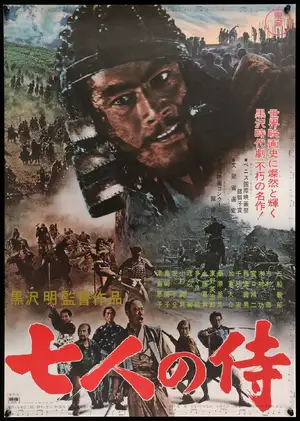 4Seven SamuraiAkira Kurosawa's 1954 epic about a farming village who hire seven ronin to defend against bandits — the template for countless ensemble action films and one of the greatest films ever made.710pts
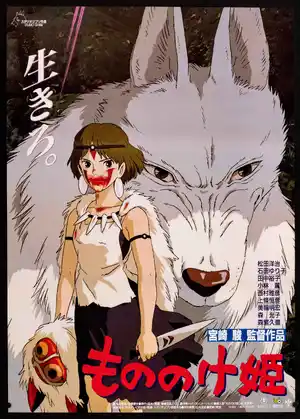 5Princess MononokeMiyazaki's 1997 epic environmental myth pitting forest gods against an iron-smelting village, a film of thunderous beauty and moral complexity that refuses easy resolution.710pts
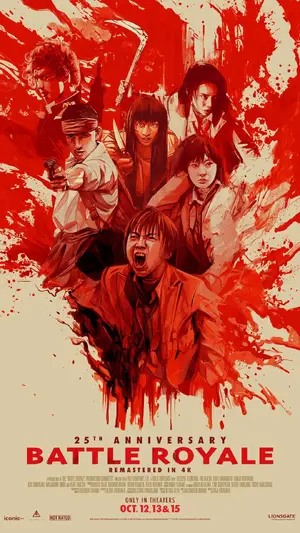 6Battle RoyaleKinji Fukasaku's visceral 2000 dystopia in which a class of junior-high students is forced to fight to the death on an island, shocking in its violence and lacerating in its social satire.710pts
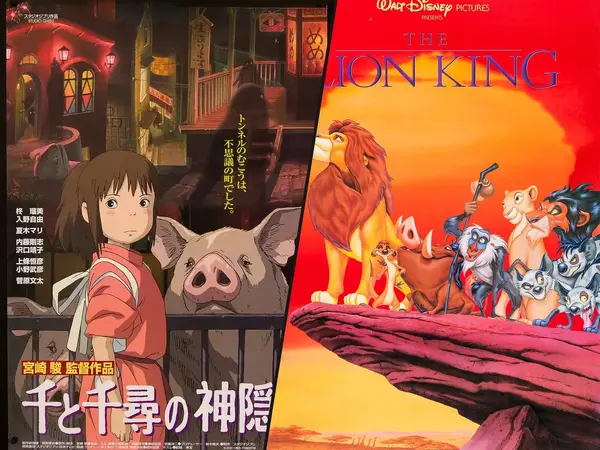
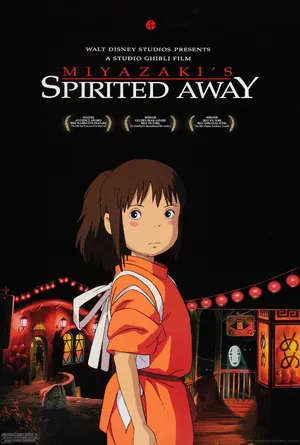 7Spirited AwayHayao Miyazaki's 2001 Oscar-winning fantasy about a girl trapped in a spirit bathhouse, the highest-grossing Japanese film of all time and a masterpiece of imagination.474pts
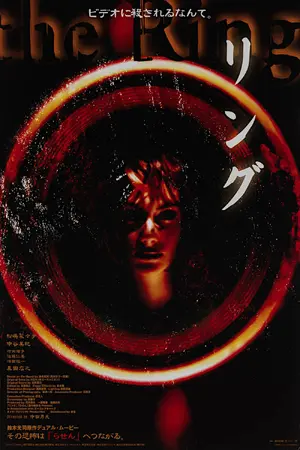 8RinguHideo Nakata's 1998 J-horror landmark — a cursed videotape and a phone call predicting death in seven days — redefining the horror genre for a generation worldwide.474pts
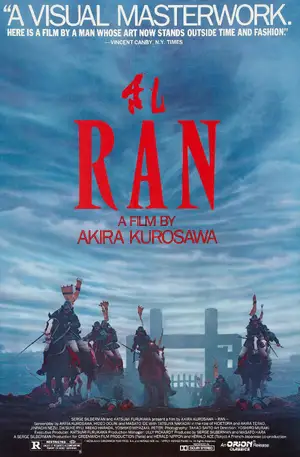 9RanKurosawa's monumental 1985 reimagining of King Lear set in feudal Japan, with spectacular battle sequences and a late-career masterwork of colour, tragedy, and scale.284pts
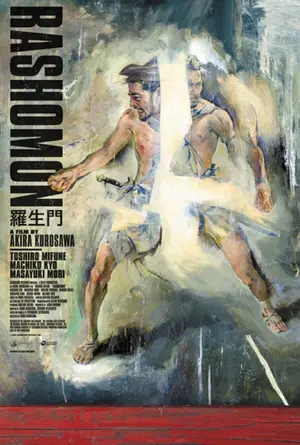 10RashomonKurosawa's 1950 puzzle-film in which four witnesses give irreconcilably different accounts of a samurai's death, giving the world the 'Rashomon effect' and rewriting world cinema.1pts
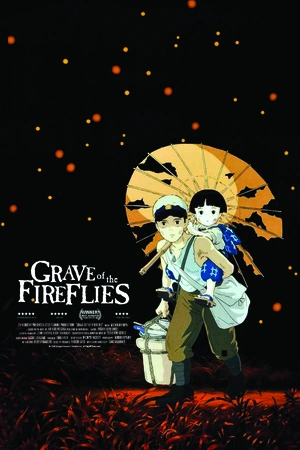 11Grave of the FirefliesIsao Takahata's 1988 Studio Ghibli anti-war elegy about two orphaned siblings struggling to survive the firebombing of Kobe in 1945 — profoundly devastating.1pts
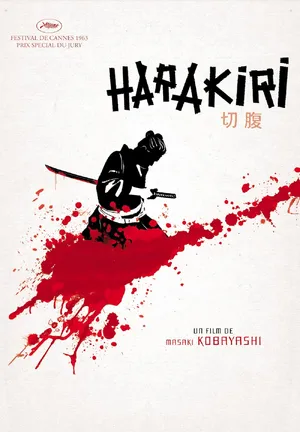 12HarakiriMasaki Kobayashi's 1962 samurai deconstruction — a ruined ronin requests an honourable death at a feudal clan's mansion, then systematically exposes the hypocrisy of the samurai code.1pts
 13Late SpringOzu's 1949 intimate drama about a widowed professor whose daughter refuses to marry and leave him, a delicate study of duty, attachment, and the passage of time.1pts
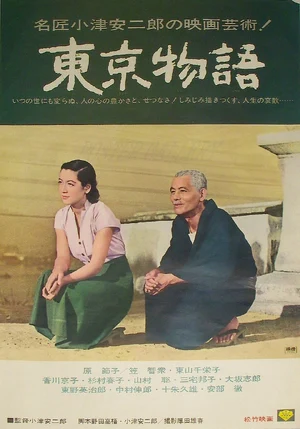 14Tokyo StoryYasujirō Ozu's 1953 masterwork of everyday tragedy, following elderly parents visiting their indifferent adult children in Tokyo — a film of heartbreaking stillness and moral precision.0pts
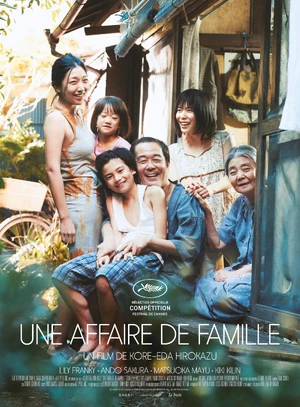 15ShopliftersHirokazu Kore-eda's 2018 Palme d'Or winner about a makeshift family of petty thieves in Tokyo, tender and devastating in equal measure.0pts
Comments 1
Miyazaki collected the Animated Feature Oscar in March 2003; Kurosawa's village defence became The Magnificent Seven: https://youpick.best/articles/japan-ranked-many-ways https://youpick.best/articles/studio-ghibli-vs-disney-ranked
YP
ypb-teamAug 21