ECM Records has built a reputation for atmospheric, contemplative jazz that feels unlike anything else. Which ECM album is the definitive statement of the label's aesthetic?
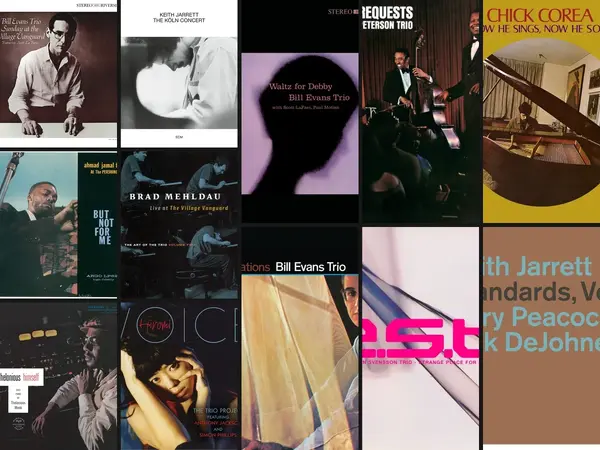
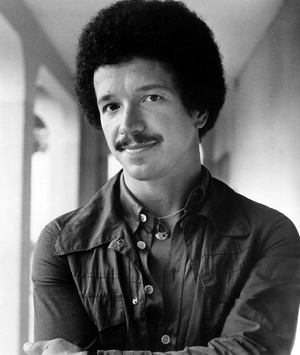 1The Köln ConcertKeith Jarrett's 1975 solo piano improvisation is the best-selling solo piano album in history — an hour of spontaneous music of extraordinary beauty, depth, and emotional range.
 2BelongingKeith Jarrett Quartet's 1974 ECM album is the definitive document of the 'European Quartet' — lyrical, rhythmically supple, and featuring Jan Garbarek's Nordic saxophone poetry.
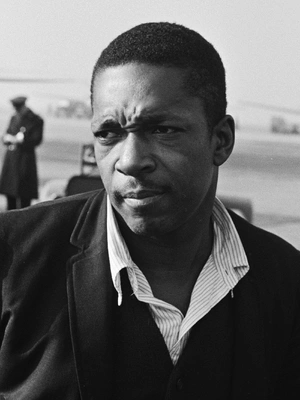 3Facing YouKeith Jarrett's 1971 ECM debut as a solo pianist established an intimate, conversational improvisational language that would define the label's aesthetic for decades.
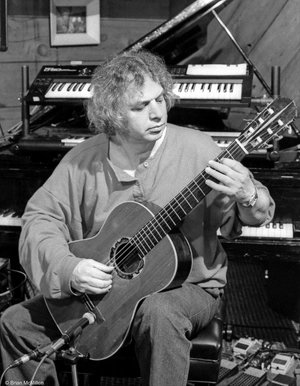 4OfficiumJan Garbarek and the Hilliard Ensemble's 1994 ECM collaboration — saxophone improvising over Renaissance polyphony — created a new sacred-secular musical space of timeless beauty.
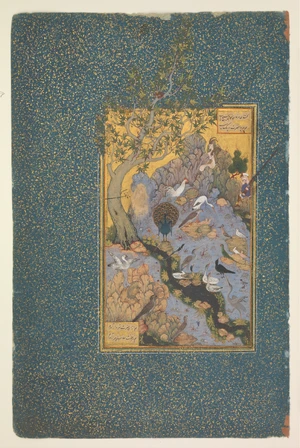 5Conference of the BirdsDave Holland's 1972 ECM album is a free jazz classic — spontaneous, warmly collective, and featuring extraordinary interplay between Holland, Sam Rivers, Barry Altschul, and Anthony Braxton.
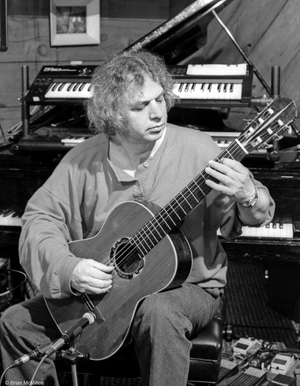 6The Colours of ChloéEberhard Weber's 1974 ECM debut introduced his dark, atmospheric bass guitar style in a context that blended jazz, folk, and European classical music with haunting originality.
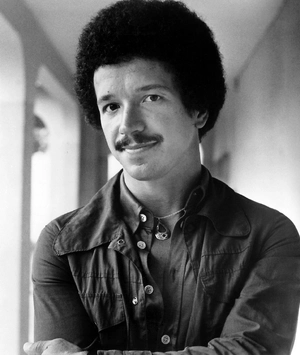 7Bright Size LifePat Metheny's 1976 ECM debut is a landmark of contemporary jazz guitar — lyrical, open, and floating in the sonic space unique to ECM recordings, with Jaco Pastorius on bass.
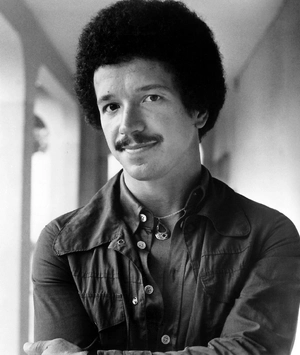 8Witchi-Tai-ToJan Garbarek and the Bobo Stenson Quartet's 1974 ECM album is a quintessential Northern European jazz document — spacious, meditative, and suffused with folk-jazz atmosphere.
 9SolsticeRalph Towner's 1974 ECM quartet album with Garbarek and Weber is a chamber jazz masterpiece — intricate guitar counterpoint, shifting meters, and a unique acoustic warmth.
 10Tabula RasaArvo Pärt's 1984 ECM New Series album introduced his tintinnabuli style to a global audience — two string works of hypnotic repetition and profound spiritual stillness.
 11Open, to LovePaul Bley's 1972 ECM solo piano album is a quiet masterpiece of spontaneous composition — introspective, spacious, and deeply personal in a way that influenced countless ECM recordings.
 12TimelessJohn Abercrombie's 1975 ECM debut with Jack DeJohnette and Jan Hammer is a landmark of jazz fusion restraint — melodic, atmospheric, and ECM's most successful fusion record.
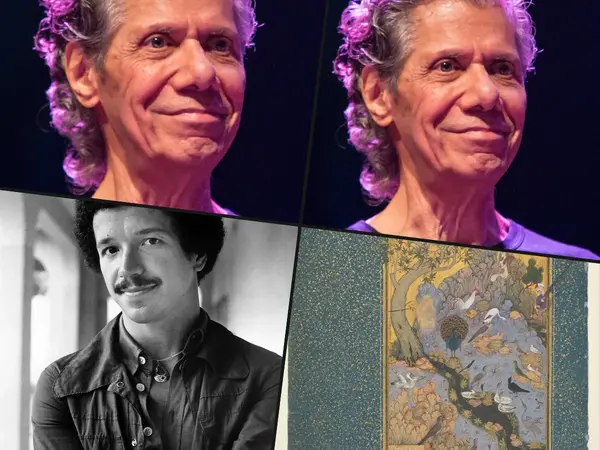
 13Piano Improvisations Vol. 1Chick Corea's 1971 ECM solo debut captured his most searching, open-ended improvisational mind — a post-bop exploration that predated the entire ECM solo piano tradition.