Side-long suites, concept narratives, symphonic grandeur, and time signature wizardry — these are rock's most ambitious artistic statements. Which prog masterpiece stands tallest?
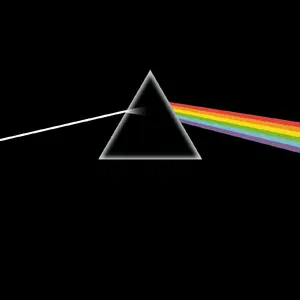 1The Dark Side of the MoonPink Floyd's 1973 magnum opus exploring time, death, and madness through lush production and seamless sequencing.
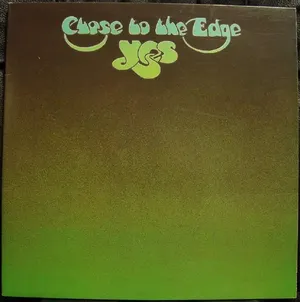 2Close to the EdgeYes's 1972 three-track album featuring the 18-minute title track, considered the pinnacle of progressive rock composition.
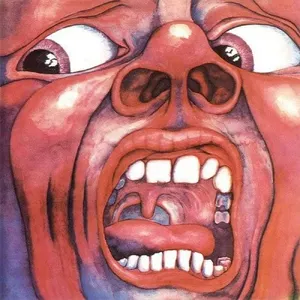 3In the Court of the Crimson KingKing Crimson's 1969 debut that invented progressive rock by fusing jazz, classical, and rock into something unprecedented.
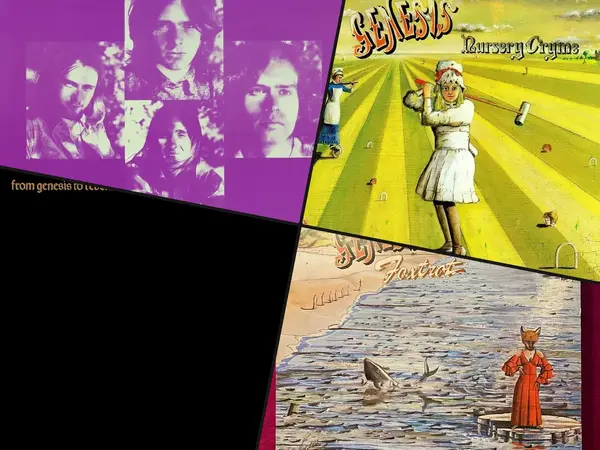
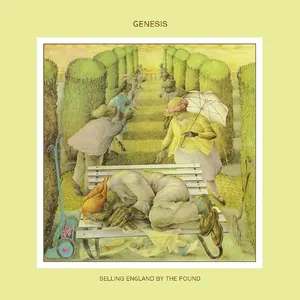 4Selling England by the PoundGenesis's 1973 album featuring Peter Gabriel's theatrical storytelling and Steve Hackett's delicate guitar, their artistic peak.
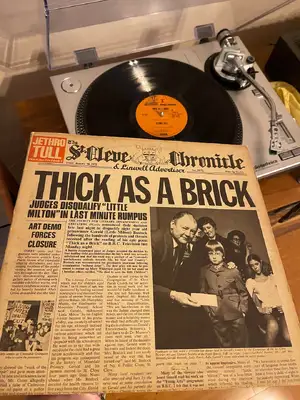 5Thick as a BrickJethro Tull's 1972 album consisting of one continuous piece of music spanning both sides of the vinyl, a prog rock masterstroke.
 6Brain Salad SurgeryEmerson, Lake & Palmer's 1973 ambitious album fusing classical themes, synthesizer wizardry, and prog rock complexity.
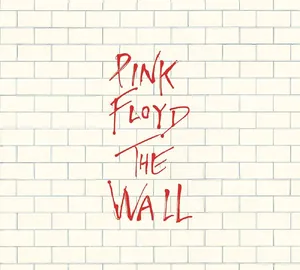 7The WallPink Floyd's 1979 double concept album about isolation and fame, one of the best-selling albums ever and a prog rock landmark.
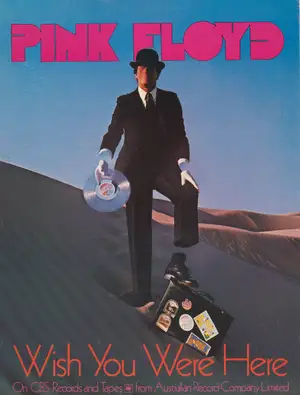 8Wish You Were HerePink Floyd's 1975 meditation on Syd Barrett's decline, built around the nine-part Shine On You Crazy Diamond suite.
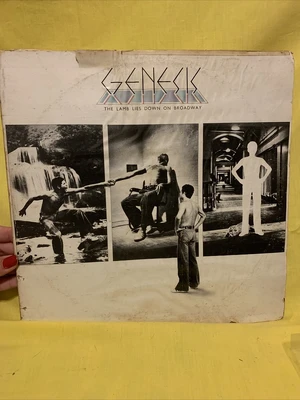 9The Lamb Lies Down on BroadwayGenesis's 1974 double concept album, Peter Gabriel's final statement with the band, a surreal and ambitious narrative epic.
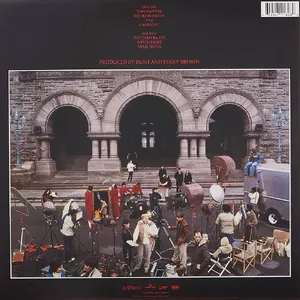 10Moving PicturesRush's 1981 album balancing accessibility with progressive complexity, featuring Tom Sawyer and career-defining performances.
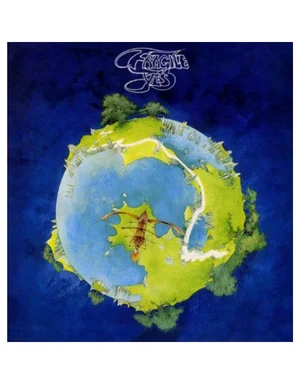 11FragileYes's 1971 album that introduced Rick Wakeman and featured solo pieces alongside the band's intricate ensemble work.
 12AnimalsPink Floyd's 1977 politically charged concept album inspired by George Orwell's Animal Farm, raw and abrasive in tone.
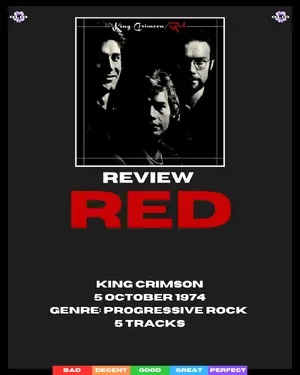 13RedKing Crimson's 1974 farewell album, an aggressive chamber-prog masterpiece featuring Robert Fripp's interlocking guitar work.
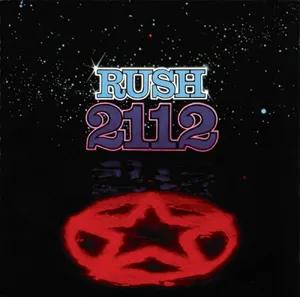 142112Rush's 1976 career-defining concept album featuring the 20-minute dystopian title suite that cemented their prog rock legacy.
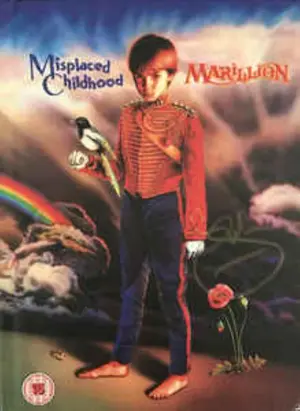 15Misplaced ChildhoodMarillion's 1985 concept album about a returning prodigal, featuring Kayleigh and Fish's richly poetic vocals.