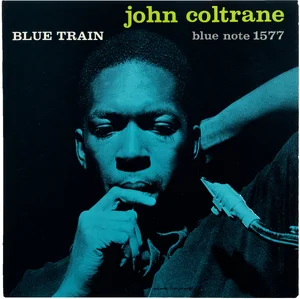
The 1960s were Blue Note Records' golden era, when hard bop, post-bop, and avant-garde jazz all found a home on the label. Which 1960s Blue Note album is the definitive classic?
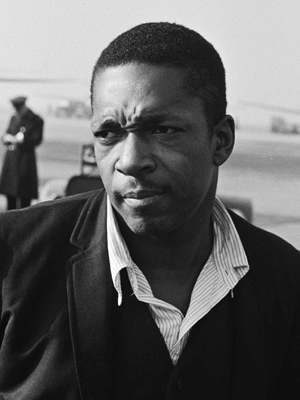 1Out to Lunch!Eric Dolphy's 1964 Blue Note album is the label's most radical masterpiece — free yet composed, with Bobby Hutcherson, Freddie Hubbard, and Tony Williams in a landmark of avant-garde jazz.
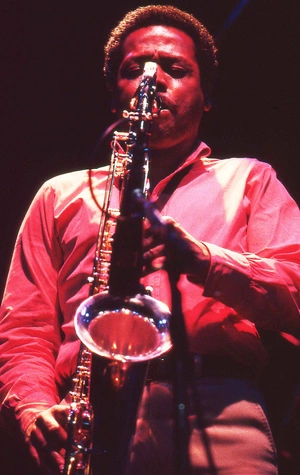 2Speak No EvilWayne Shorter's 1964 Blue Note session is a compositional triumph — six originals that synthesize hard bop and modal jazz with cinematic beauty and rhythmic sophistication.
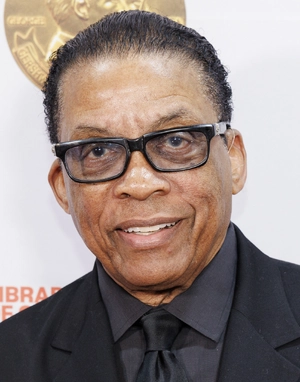 3Maiden VoyageHerbie Hancock's 1965 Blue Note album is a modal jazz masterpiece — its oceanic impressionism and flowing rhythms created a new model for jazz composition.
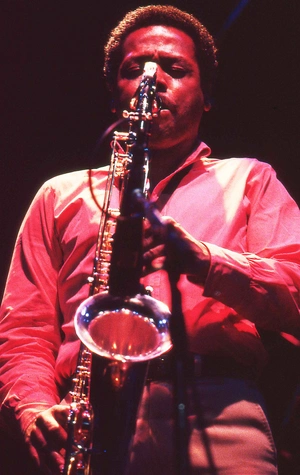 4Empyrean IslesHerbie Hancock's 1964 Blue Note album features 'Cantaloupe Island' and four compositions of extraordinary harmonic and rhythmic invention from one of jazz's greatest pianists.
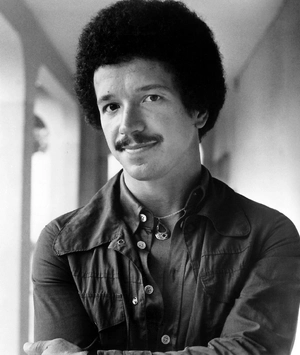 5Point of DepartureAndrew Hill's 1964 Blue Note album is the most intellectually demanding and rewarding of the label's '60s output — abstract, mysterious, and featuring Dolphy in his penultimate Blue Note appearance.
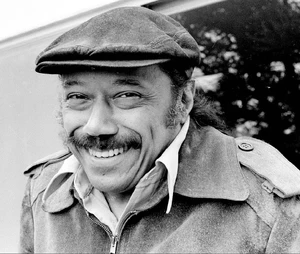 6The SidewinderLee Morgan's 1964 Blue Note album produced the boogaloo title track that gave the label its biggest commercial hit — irresistibly funky hard bop that bridges jazz and R&B.
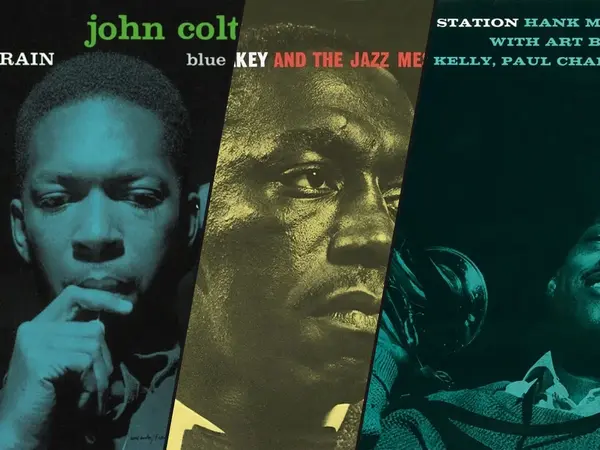
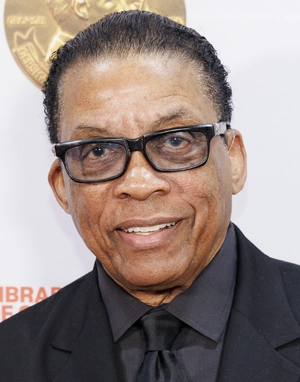 7Soul StationHank Mobley's 1960 Blue Note album opened the decade with the most perfectly crafted hard bop record ever made — four tracks of flawless musicianship.
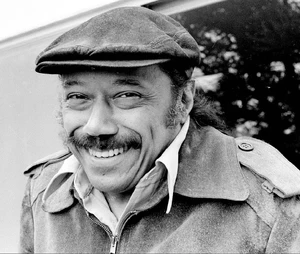 8Let Freedom RingJackie McLean's 1962 Blue Note album was a pivotal transition between hard bop and the avant-garde — McLean's raw alto saxophony pressing against conventional chord structures.
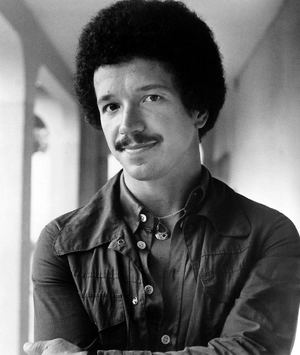 9The Real McCoyMcCoy Tyner's 1967 Blue Note album is the first great statement of the pianist's post-Coltrane career — sweeping, percussive, and rhythmically adventurous.
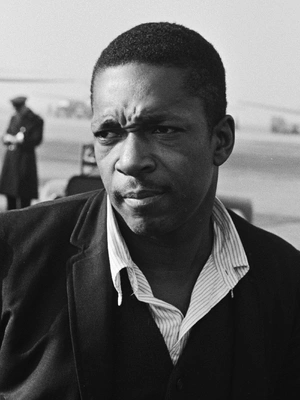 10Go!Dexter Gordon's 1962 Blue Note comeback album is one of the era's most charismatic jazz recordings — relaxed yet burning, with a big, authoritative sound and unhurried swing.
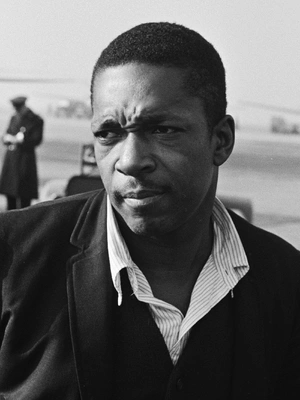 11UnityLarry Young's 1965 Blue Note album brought the Hammond organ into the post-bop era — abandoning Jimmy Smith's blues-based style for a more harmonically sophisticated, Coltrane-influenced approach.
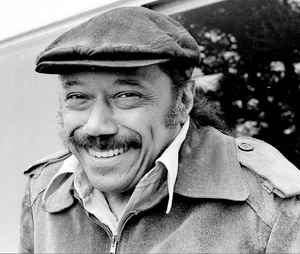 12Song for My FatherHorace Silver's 1965 Blue Note album is the most melodically distinctive hard bop record of the decade — the title track's Afro-Cuban groove immediately recognizable to any jazz listener.
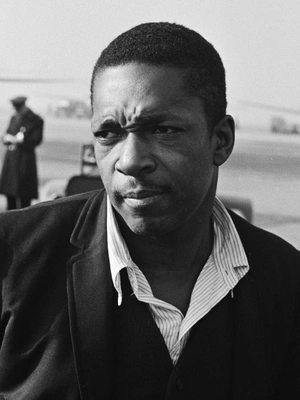 13Free for AllArt Blakey & The Jazz Messengers' 1964 Blue Note album is the hardest-hitting, most ferocious of his many recordings — Wayne Shorter's compositions pushing the band to their absolute limit.