From ancient mechanical breakthroughs to modern molecular engineering, these inventions didn't just change the world — they redefined what it means to be human. Which one changed everything?
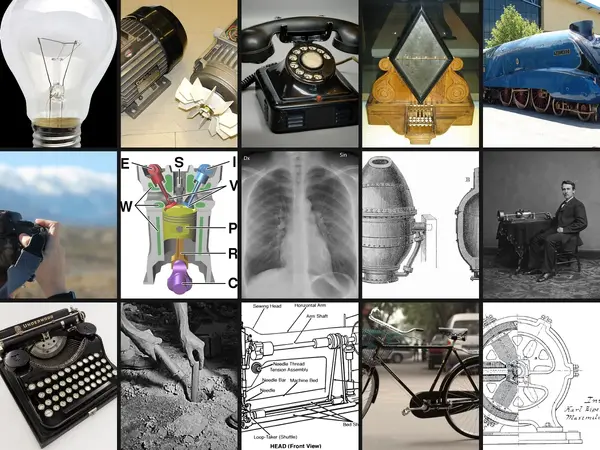
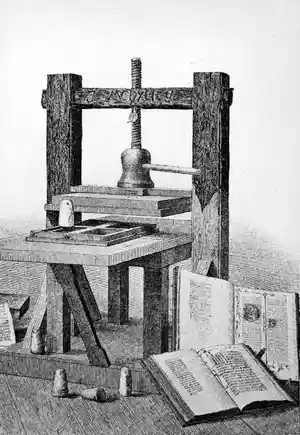 1Printing PressJohannes Gutenberg's 1440 invention democratized knowledge, enabled the Reformation, and laid the groundwork for the modern world.
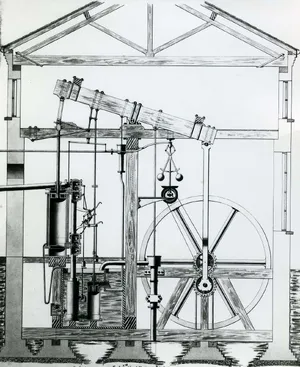 2Steam EngineJames Watt's 1769 improvements to the steam engine powered the Industrial Revolution, transforming manufacturing, transportation, and society.
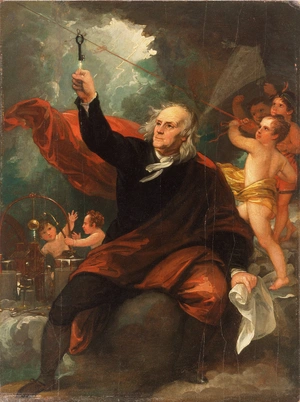 3ElectricityBenjamin Franklin's experiments with lightning led to the harnessing of electrical power, fundamentally reshaping civilization.
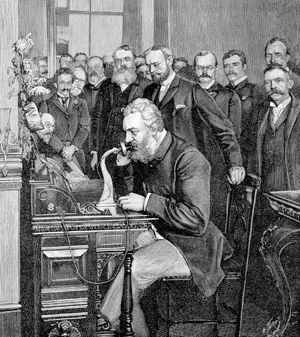 4TelephoneAlexander Graham Bell's 1876 invention of the telephone began humanity's era of instantaneous long-distance communication.
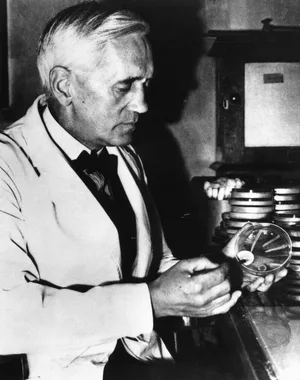 5PenicillinAlexander Fleming's accidental 1928 discovery of penicillin launched the age of antibiotics and saved hundreds of millions of lives.
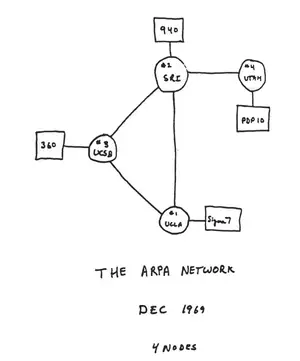 6The InternetARPANET's first message in 1969 set the stage for a global information network that would connect all of humanity.
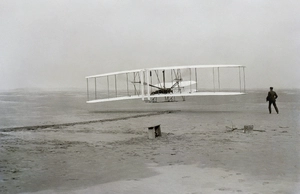 7AirplaneThe Wright Brothers' 12-second flight at Kitty Hawk in 1903 opened the skies and shrank the world to an unprecedented degree.
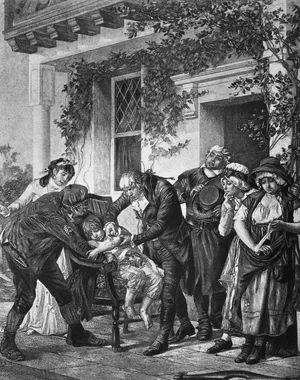 8VaccinesEdward Jenner's development of the smallpox vaccine in 1796 began modern immunology and has since eradicated several deadly diseases.
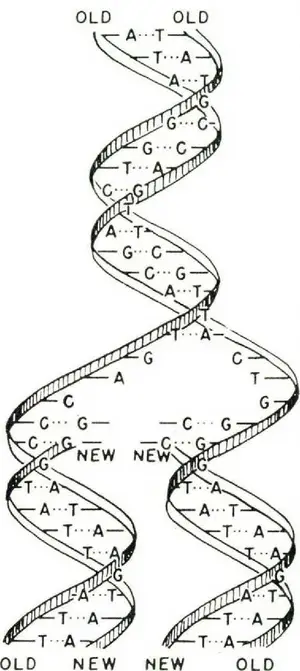 9DNA Double HelixWatson and Crick's 1953 discovery of DNA's structure unlocked the blueprint of life and revolutionized biology, medicine, and biotechnology.
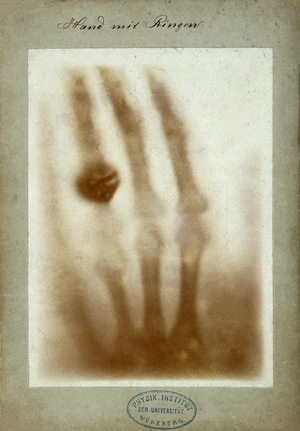 10X-RayWilhelm Röntgen's accidental 1895 discovery of X-rays gave medicine its first tool to see inside the living human body.
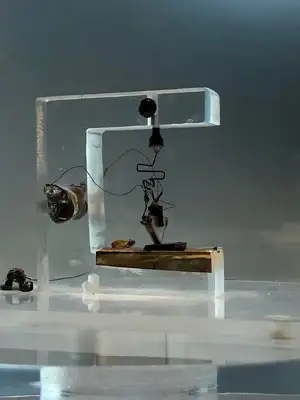 11TransistorInvented at Bell Labs in 1947, the transistor became the building block of all modern electronics, enabling computers, smartphones, and the digital age.
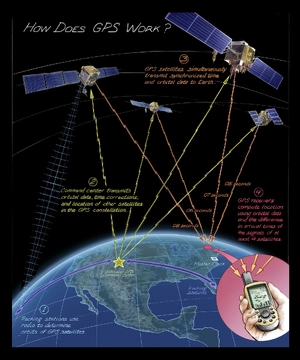 12GPSThe Global Positioning System, fully operational by 1995, transformed navigation, logistics, and has become embedded in virtually all modern technology.
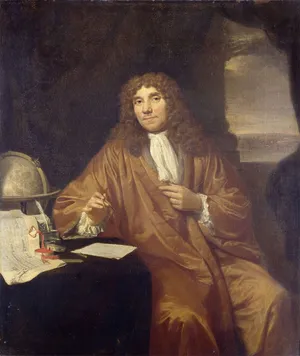 13MicroscopeAntonie van Leeuwenhoek's 17th century microscope revealed the hidden world of microorganisms, founding the field of microbiology.
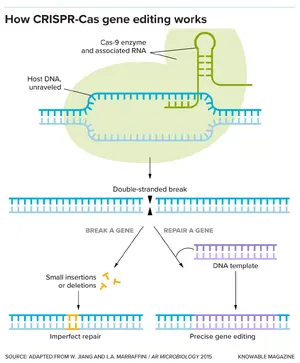 14CRISPRDeveloped in the 2010s, CRISPR-Cas9 gene editing allows precise modification of DNA, opening doors to curing genetic diseases and reshaping biology.